WHAT DO YOU WANT HELP WITH?
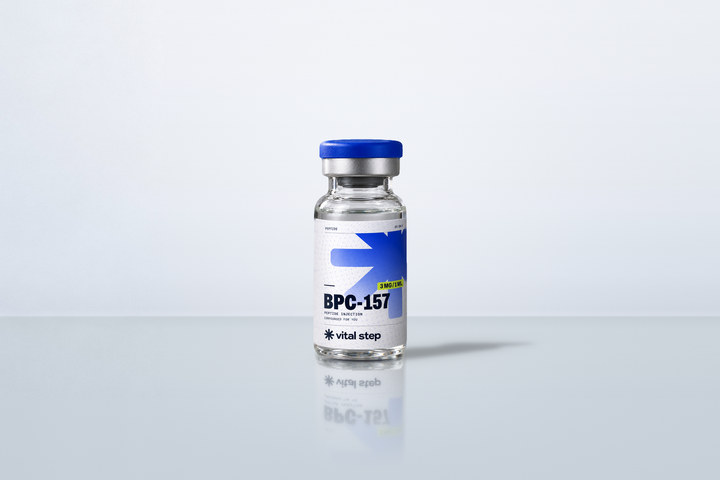
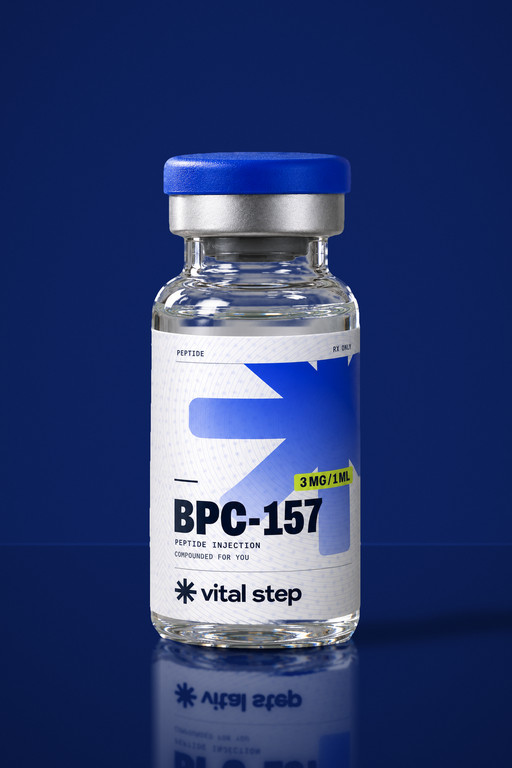 BPC-157The peptide for the injury that won’t go away.As low as $209/month
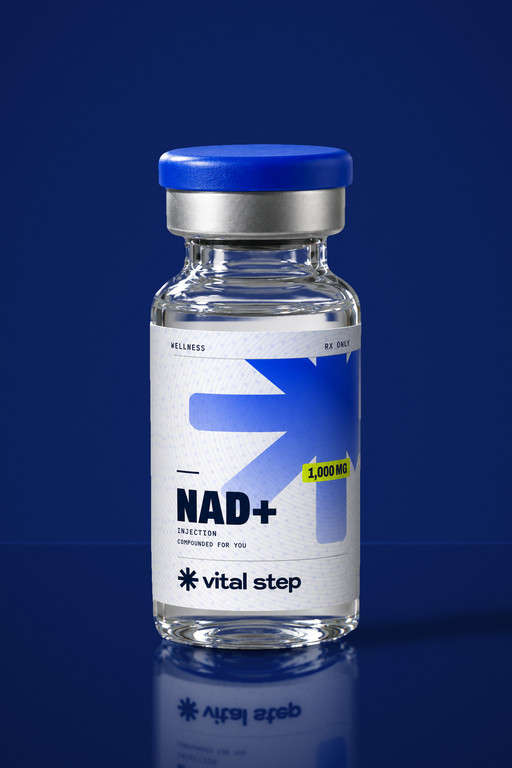 NAD+ injectionNAD+. Your cells’ energy molecule. A shot at home.As low as $199/month
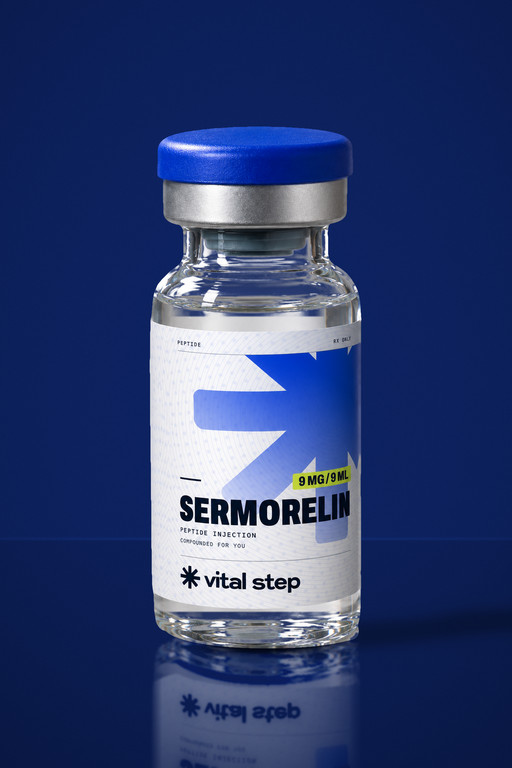 SermorelinKeep your muscle with your own growth hormone.As low as $249/month
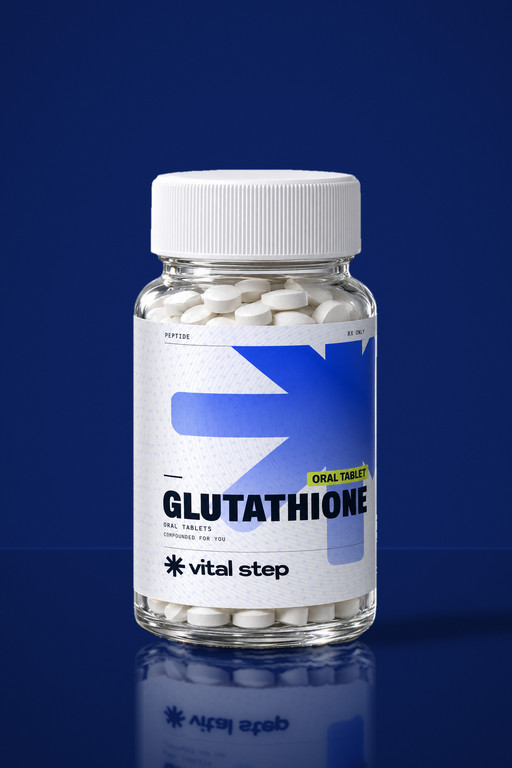 Glutathione tabletsYour body’s master antioxidant, in a tablet.As low as $165/month
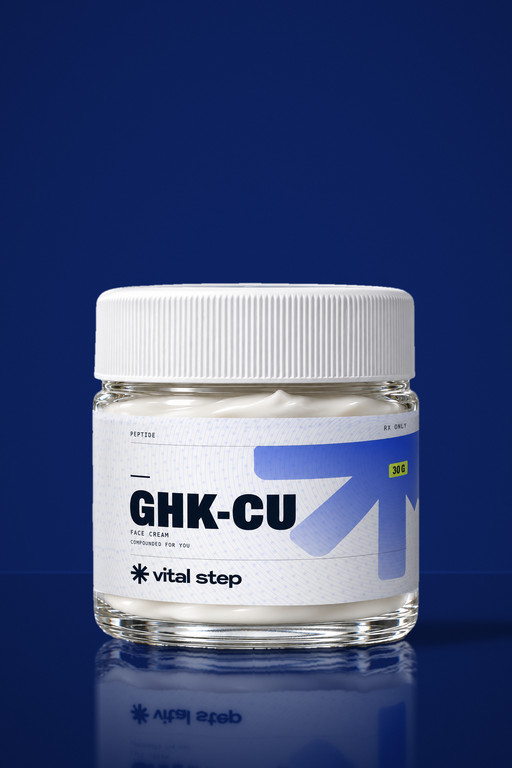 GHK-Cu face creamThe prescription cream for firmer, smoother skin.As low as $285/month
 Semaglutide injectionThe weekly shot that quiets hunger. Lose the weight.As low as $166.58/month
 Tirzepatide injectionLose weight with tirzepatide. One shot a week.As low as $208.25/month
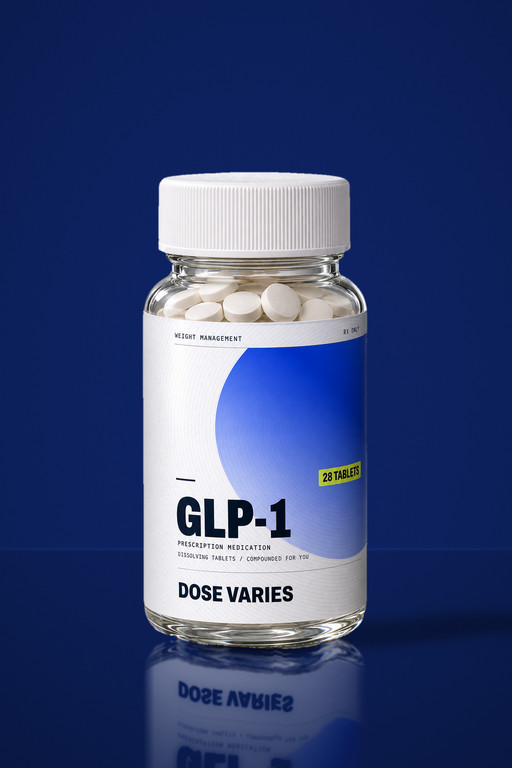 Semaglutide tabletsSemaglutide tablets for weight loss. No needle.As low as $166.58/month
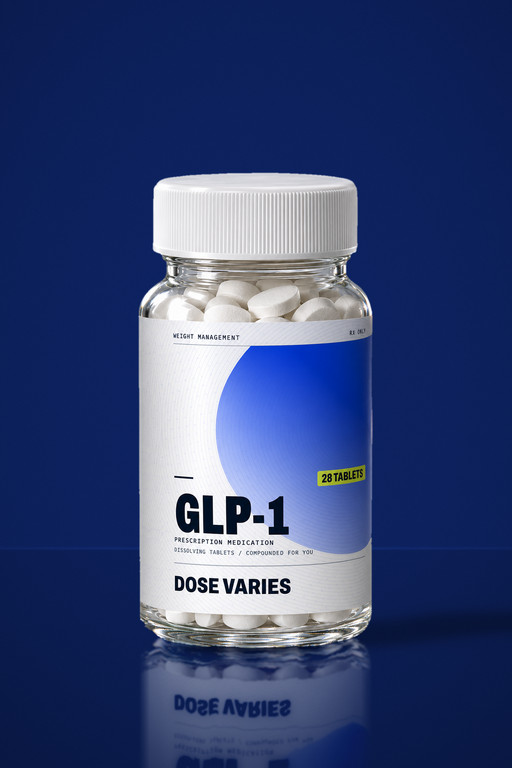 Tirzepatide tabletsTirzepatide for weight loss, in a tablet.As low as $208.25/month
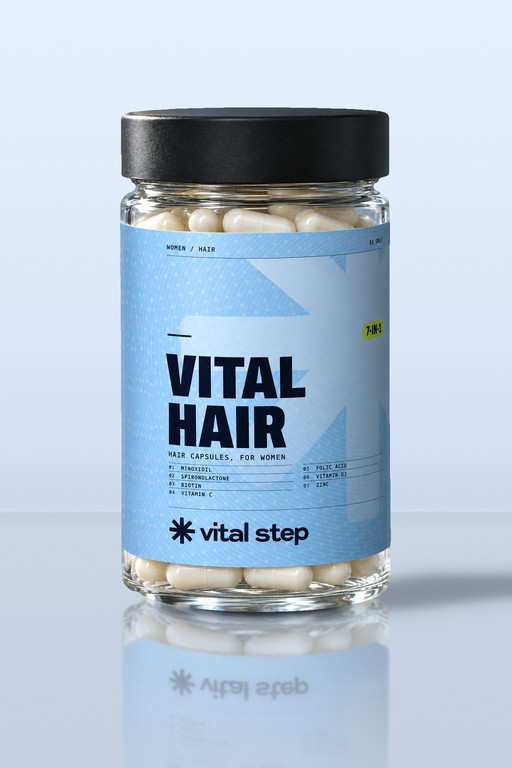
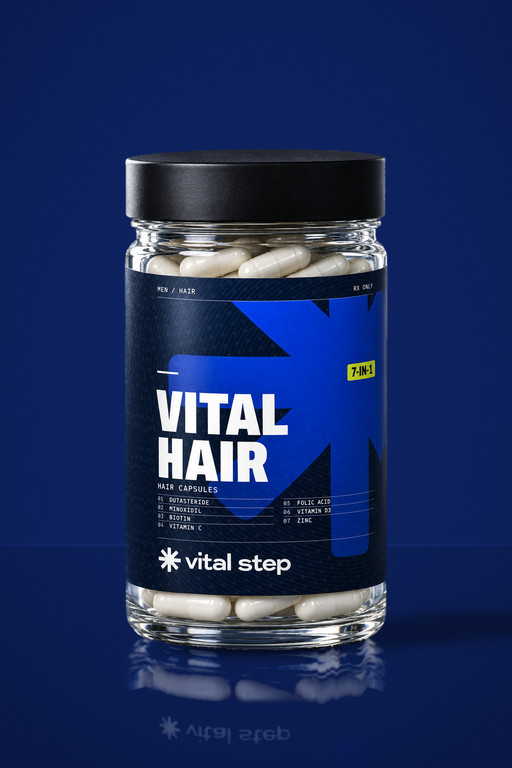 Vital Hair 7-in-1Treat thinning hair. One capsule a day.As low as $89/month
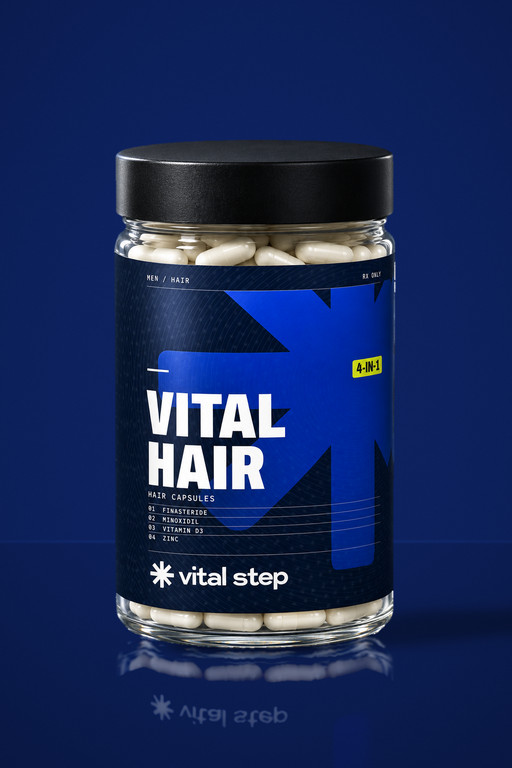 Vital Hair 4-in-1 capsulesKeep your hair. Thicken the crown. One capsule a day.As low as $99/month
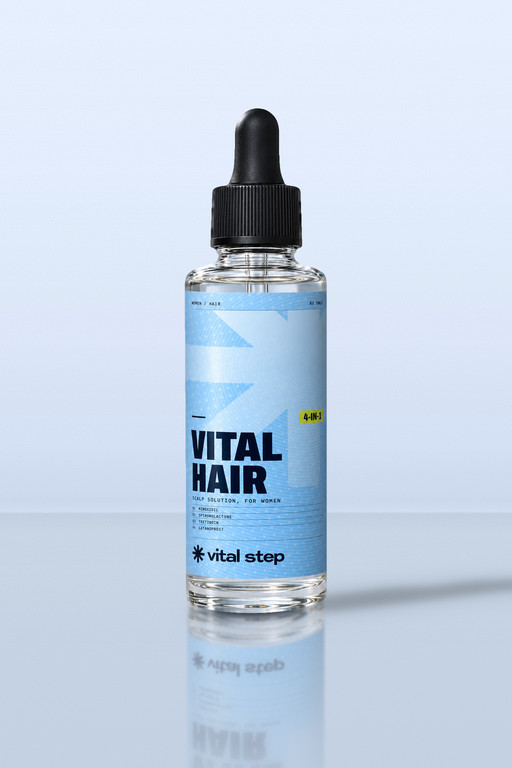
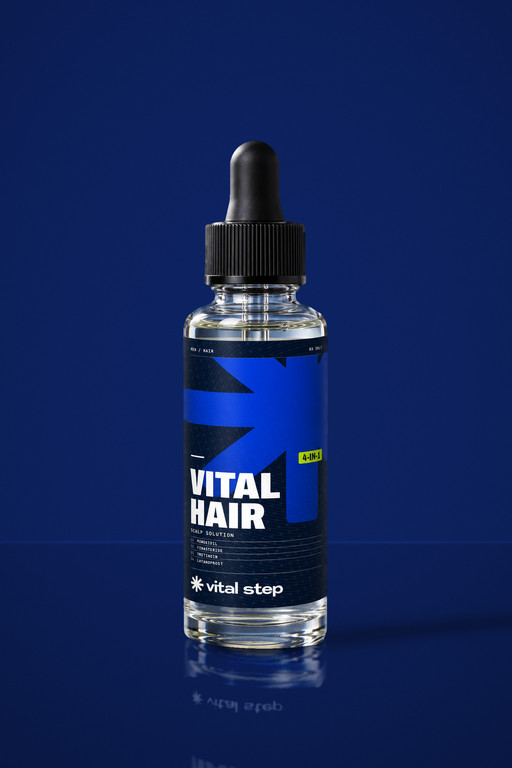 Vital Hair Topical 4-in-1Treat thinning hair. Skip the pill.As low as $109/month
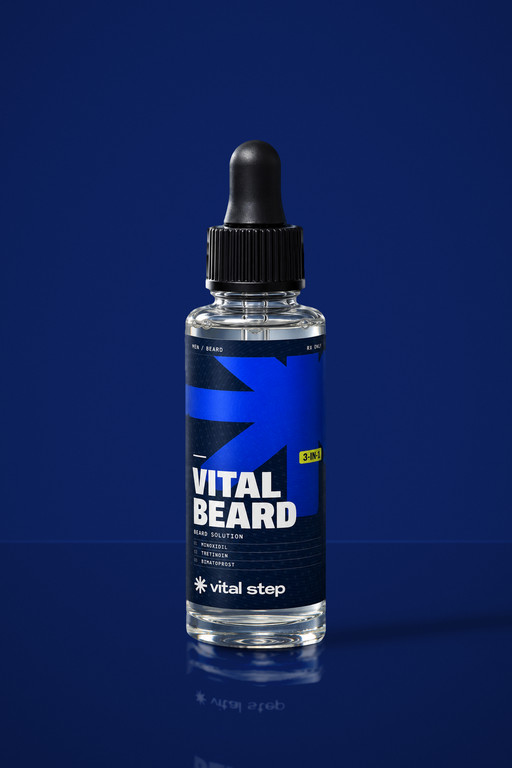 Vital Beard 3-in-1The prescription that fills in a patchy beard.As low as $99/month
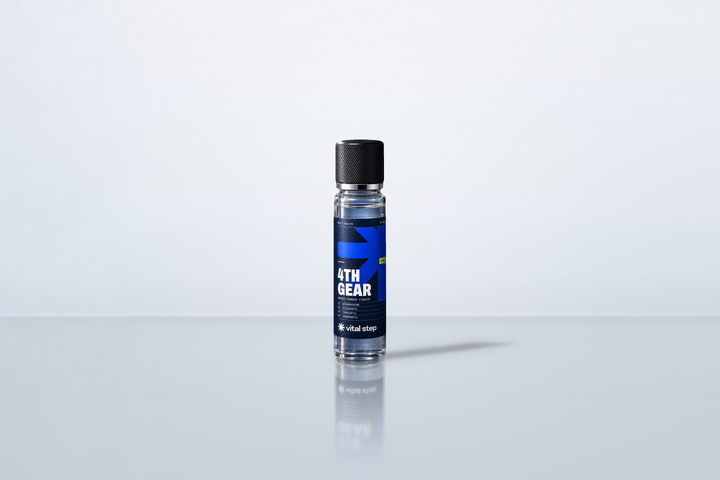
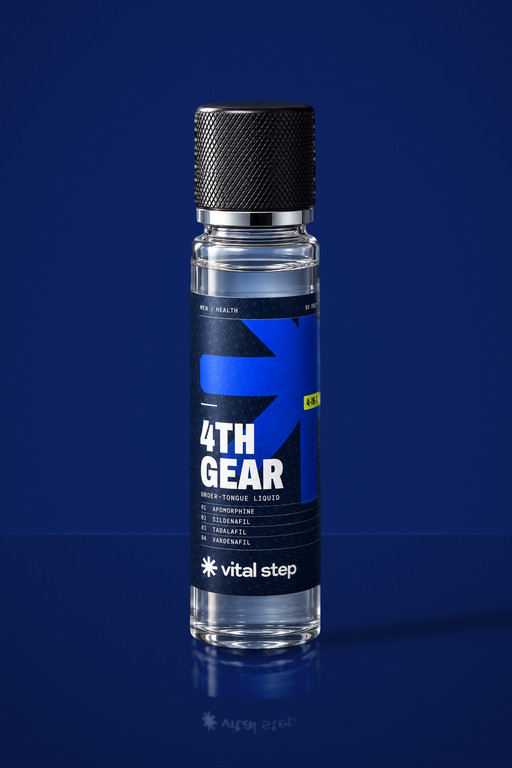 4th GearThe ED treatment that works on brain and body.As low as $10.45/dose
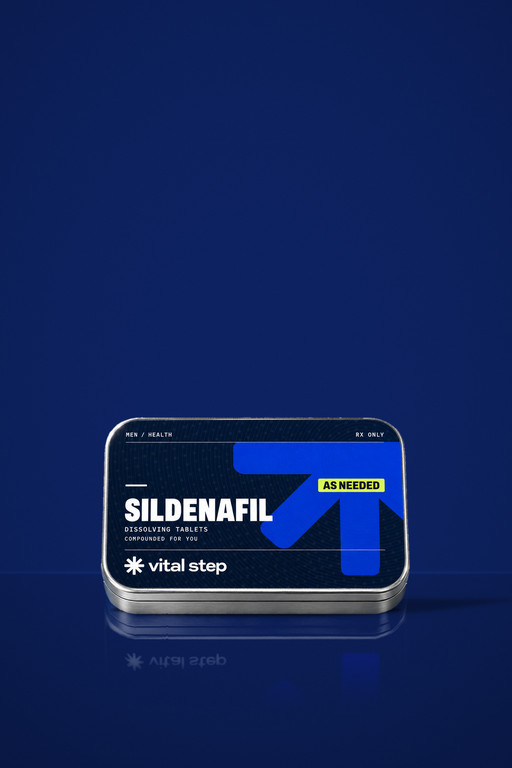 SildenafilTreat ED with the medicine in Viagra.As low as $5.50/dose
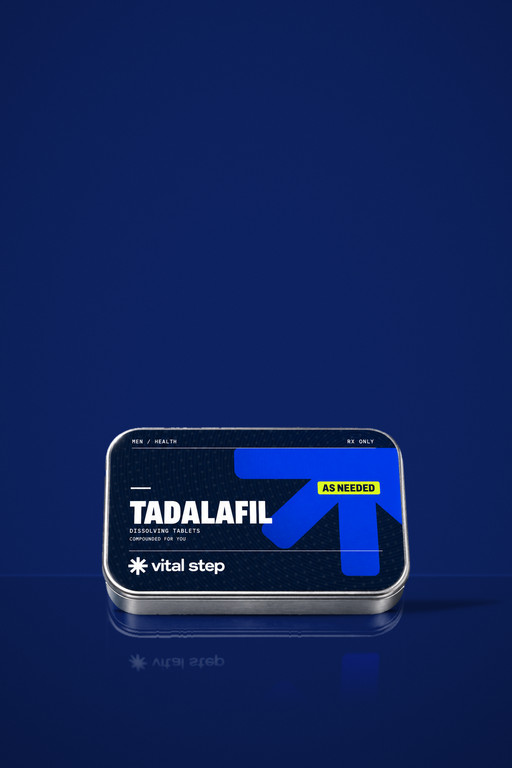 TadalafilTreat ED. Forget the clock.As low as $5.50/dose
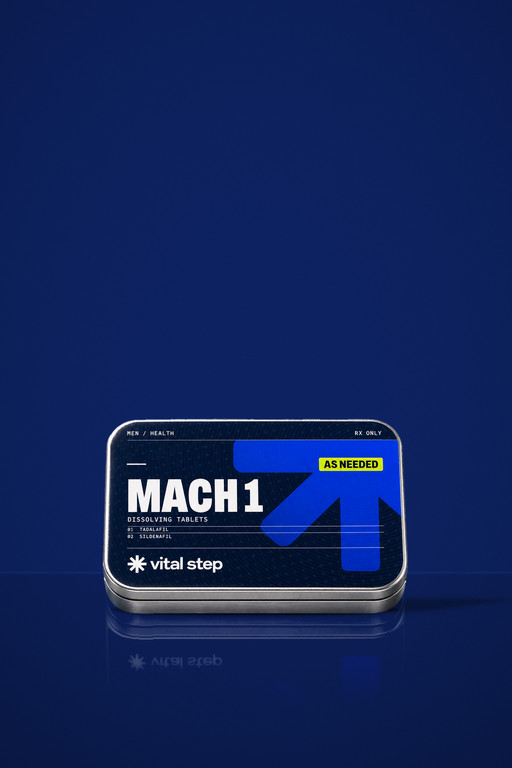 Mach 1Two ED medicines. One tablet.As low as $15.50/dose
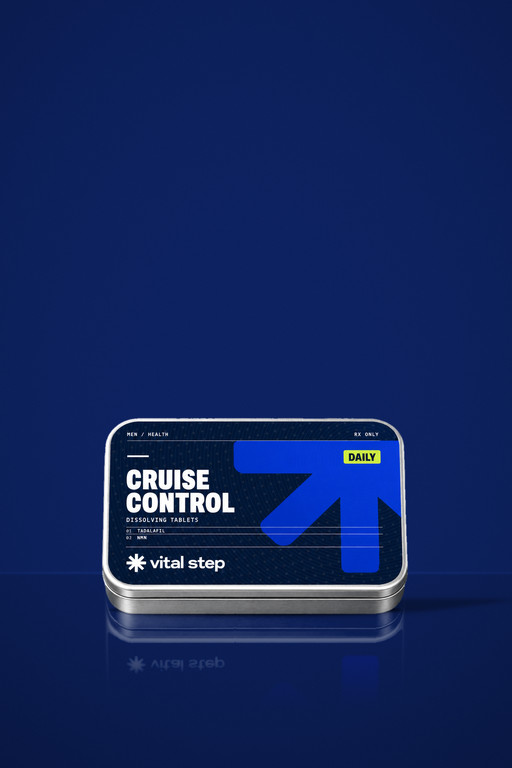 Cruise ControlTreat ED daily. No pill before sex.As low as $159/month
LEGITSCRIPT CERTIFIEDUS-BASED LICENSED DOCTORSLICENSED PHARMACYHIPAA COMPLIANTDISCREET DELIVERY
Free online visit. Free shipping. Cancel anytime.
WHAT DO YOU WANT HELP WITH?
LEGITSCRIPT CERTIFIEDUS-BASED LICENSED DOCTORSLICENSED PHARMACYHIPAA COMPLIANTDISCREET DELIVERY
Free online visit. Free shipping. Cancel anytime.

Guide8 min read
PEPTIDES ARESIGNALS YOUR BODYALREADY MAKES.
A peptide is a short chain of amino acids that your body uses as a signal. GLP-1, the gut hormone behind weight loss medicines, is a peptide. A prescription peptide puts one signal to work on one goal: recovery, energy, muscle or skin.
LegitScript certifiedLicensed pharmacyUS-based licensed doctorsHIPAA compliant
A PEPTIDE IS A SHORT CHAINOF AMINO ACIDS
You keep hearing the word. A friend at the gym takes one for a shoulder that will not settle. Someone at work takes one for energy. You want to know what a peptide is, whether it is real medicine, and whether one could help you recover, feel sharper or look better.

BPC-157
The peptide for the injury that won’t go away.
For a sore tendon, ligament, muscle or joint.
As low as$209/month
View treatmentA peptide is a short chain of amino acids, the same small pieces your body builds protein from. Link two or more and you have a peptide. Link hundreds and you have a protein. Your body makes many peptides and uses them as signals. Some tell cells to release a hormone. Some help tissue respond when more is asked of it.
So a peptide is a signal, and each one carries its own instruction. That is why one peptide can be about hunger and another about skin.
YOUR BODY ALREADYRUNS ON PEPTIDES
You have made peptides every day of your life. GLP-1 is one. MedlinePlus, from the National Library of Medicine, describes it as a natural hormone released by your gut after a meal.
Medicine already uses this. The weight loss medicines everyone talks about are man-made versions of GLP-1, and MedlinePlus says they cause many of the same actions as the natural hormone. A review in Signal Transduction and Targeted Therapy describes a decade of fast progress in peptide medicines, thanks to new ways to make them and to keep them working in the body.
So some peptides are established prescription medicines. The ones in this guide are newer and less studied, and this guide says so wherever it applies. Each is prescribed by a doctor and prepared by a licensed pharmacy.
WHAT A PRESCRIPTIONPEPTIDE DOES
A prescription peptide puts one signal to work on one goal. You do not take “peptides” in general. You take the one that matches what you want: the tendon that keeps you out of the gym, the energy that runs out by the afternoon, the muscle you are working to keep, the skin you want to look firmer.
Most are made in a lab to match a peptide your body already makes, or part of one. Most are a small injection that you give yourself at home. Some need no needle: glutathione also comes as a tablet, NAD+ also comes as a nasal spray, and GHK-Cu is a face cream.
A prescription is the difference between this and a vial bought online. A US-based licensed doctor reads your answers and prescribes only if it is right for you. The doctor asks about your goal, your health history, what you have tried and every medicine you take. Then a licensed pharmacy prepares yours for your prescription and labels it with your directions.
WHICH ONE IS FOR WHAT
Start with what you want.
Recovery
BPC-157 is the peptide people take for one injury that won’t go away: a tendon, ligament, muscle or joint. TB-500 is a different peptide, taken for recovery across the body: tendons, ligaments, muscles and joints. They are separate treatments.
Energy
NAD+ is the molecule your cells use to make energy. People take the NAD+ injection for steady energy, a clear head and healthy aging, and it also comes as a nasal spray. Glutathione is your body’s master antioxidant, made from three amino acids, taken for energy, immune support and recovery. It comes as a shot or as glutathione tablets. MOTS-C is a peptide your body makes, taken for steady energy by people who train.
Muscle
Sermorelin signals your pituitary gland to release your own growth hormone, one of the signals your body uses to maintain lean muscle and manage body fat. People take it to keep muscle, stay lean, and for sleep and recovery.
Skin
GHK-Cu face cream is a copper peptide, a small molecule found naturally in the body. It is the prescription cream people use for firmer, smoother skin and fine lines.
Not everything on the shelf is a peptide in the strict sense. NAD+ is a molecule your cells use to make energy, and MIC B12 is vitamin B12 with three nutrients. They sit beside the peptides because people take them for the same reasons, and a doctor prescribes them the same way. You can see all of them in peptides and wellness.
The treatments
RECOVERY. ENERGY.MUSCLE. SKIN.ONE FOR YOUR GOAL.
People take them to get back to training, for steady energy, to keep muscle and for firmer skin. Each one is prescribed online by a US-based licensed doctor, if it is right for you.
BPC-157
As low as $209/month
See BPC-157NAD+ injection
As low as $199/month
See NAD+ injectionSermorelin
As low as $249/month
See SermorelinGlutathione tablets
As low as $165/month
See Glutathione tabletsGHK-Cu face cream
As low as $285/month
See GHK-Cu face cream


Prescribed online by a US-based licensed doctor, if it is right for you.
WHAT PEOPLE HOPE FOR,AS A BEST CASE
What people hope for depends on which one they take. Each line below is a best case, not a study result, and the research section says where each treatment stands.
Getting back to what you do
People take a recovery peptide hoping the injured spot lets them sleep on it, move it freely, then load it again, and get back to the lift, the run or the game.
Energy that holds through the day
People take NAD+ or glutathione for steady energy and a clear head from morning to evening.
Keeping the muscle you work for
People take sermorelin to keep muscle, stay lean and get up ready to train.
Skin that looks firmer and smoother
People use the copper peptide cream for skin that looks firmer, smoother and more rested.
These are best cases. Individual results vary. Research in people is early for most of these.
PEOPLE TAKE THEM TO RECOVER,KEEP ENERGY AND KEEP MUSCLE.

HOW YOU TAKE ONE
Most of these are a small injection, taken at home. Your doctor sets your dose and schedule, and your pharmacy label has your directions, so you take it the way your label says.
Some need no needle. Glutathione tablets are taken by mouth, the NAD+ nasal spray is a mist inside your nose, and GHK-Cu is a face cream your doctor fits into the routine you already have. None of them replaces the work. A peptide is one part of a plan that includes rehab, training, sleep and food.
WHAT IS PROVENAND WHAT IS EARLY
Peptides are not all at the same stage, and you should know which is which before you pay for one.
Some are well known. The GLP-1 medicines are man-made versions of a gut hormone, and they are the peptides most people have heard of.
The recovery and energy peptides in this guide are earlier. A 2025 systematic review in HSS Journal found 36 studies of BPC-157, and 35 of them were in animals or cells. The FDA found no human studies of TB-500. Human studies of injected MOTS-C have not been published, and the adult studies of sermorelin were small and short. The copper peptide in skin has lab studies and small cosmetic studies behind it.
So proof in people is limited for most of these, and people still take them for clear reasons: an injury that will not settle, energy that runs out, muscle that is harder to keep, skin that has changed.
What a prescription adds is everything a vial bought online does not have. A doctor reads your history and decides whether it fits you. A licensed pharmacy prepares it. The label carries your directions.
Each treatment here is prepared by a licensed pharmacy for your prescription. Compounded medications are not FDA-approved, and the FDA does not review them for safety, effectiveness or quality before they are sold.
SIDE EFFECTS, STRAIGHT
Side effects depend on the treatment, and each product page lists its own. These are the ones on record.
- Injections can leave soreness or redness where the needle goes in.
- Some people on NAD+ notice flushing, nausea, dizziness or a headache.
- Sermorelin acts through growth hormone, which can cause swelling, joint pain and tingling in the hands.
- The FDA has raised possible immune reactions and peptide impurities for BPC-157, TB-500 and MOTS-C.
- The cream is for external use. Stop and contact your doctor if your skin gets irritated.
Tell the doctor if you have had cancer, if you are pregnant or breastfeeding, if you have diabetes or take a medicine that lowers blood sugar, or if you have surgery planned. If you compete in a tested sport, do not take BPC-157, TB-500, sermorelin or MOTS-C. All four are on the World Anti-Doping Agency prohibited list at all times.
THE VISIT AND THE COST
The visit is a few questions on your phone, with no waiting room. A doctor reads them, and you pay only if something is prescribed. Free online visit. Free shipping. Cancel anytime. Your prescription arrives in 3 to 5 business days in discreet packaging.
BPC-157 is from $209 a month. The NAD+ injection is from $199 a month. Sermorelin is from $249 a month. Glutathione tablets are from $165 a month. GHK-Cu face cream is from $285 a month. TB-500 is from $219 a month, MOTS-C is from $219 a month and MIC B12 is from $163 a month.
Pick the result you want and start your visit today. If one injury is holding you back, ask about BPC-157. If you are not sure which one fits, say what you want in your visit, and the doctor prescribes the one that fits you.

Licensed doctors
Skip thewaiting room.Not the doctor.
Your visit is online: a few questions, from your phone. A licensed doctor reads your answers and prescribes if it is right for you.
What your doctor asks about
- Your health history
- Medicines you take
- Your allergies
- What you want help with
Online, from your phone.
FAQ
Commonquestions.
Your doctor answers the rest in your visit.
LegitScript certified
US-based licensed doctors. Licensed pharmacy. HIPAA compliant. Discreet delivery.
-
BPC-157 is as low as $209/month, the NAD+ injection as low as $199/month, sermorelin as low as $249/month, glutathione tablets as low as $165/month and GHK-Cu face cream as low as $285/month. The online visit is free, shipping is free, and you can cancel anytime. You pay only if a doctor prescribes.
-
Yes. Vital Step is LegitScript certified. LegitScript verifies that a healthcare business meets its Certification Standards.
-
Yes. The GLP-1 weight loss medicines are man-made versions of a gut hormone, and that hormone is a peptide. The recovery and energy peptides are newer, and most of their research is in animals and cells. Each one here is prescription only.
-
No. A peptide is a short chain of amino acids that works as a signal. Sermorelin, for example, is not growth hormone and not testosterone. It signals your own pituitary gland.
-
A licensed doctor reads your health history and decides whether it fits you. A licensed pharmacy prepares it for your prescription and labels it with your directions.
-
Most are a small injection, at home. Glutathione also comes as a tablet, NAD+ also comes as a nasal spray, and GHK-Cu is a face cream.
-
No for four of them. BPC-157, TB-500, sermorelin and MOTS-C are on the World Anti-Doping Agency prohibited list at all times. If you compete in tested sport, do not take them.
Keep reading6 min read
NAD+ IS HOWYOUR CELLSMAKE ENERGY.
NAD+ is a molecule in every cell you have. Your cells use it to turn food into energy. People take it for steady energy, a clear head and healthy aging, as a small shot at home or a nasal spray.
Read the guideMORE GUIDES
 Glutathione, your body’s master antioxidant6 min read
 BPC-157 for the injury that won’t go away6 min read

BPC-157 from Vital Step is a compounded prescription medication, prepared for you by a licensed pharmacy. It is not FDA-approved.
BPC-157: important safety information
BPC-157 is not FDA approved. The research on it is mostly in animals; human studies are few and small, and none used an injection under the skin. The FDA has raised possible immune reactions and peptide impurities. Tell your doctor if you have had cancer, are pregnant or breastfeeding, or have surgery planned.
BPC-157 is on the World Anti-Doping Agency prohibited list at all times. If you compete in tested sport, do not take it.
NAD+ injection: important safety information
About this medication. NAD+ injection is a compounded prescription medication and is not FDA-approved. The FDA does not review compounded drugs for safety, effectiveness or quality before they are sold.
NAD+ injection is a compounded medication and is not FDA approved. No human study has shown what happens to NAD+ after an injection under the skin. Tell your doctor if you have active cancer, are pregnant or breastfeeding, have severe kidney or liver disease, are allergic to niacin or nicotinamide, or take a PARP inhibitor. Some people notice flushing, nausea, dizziness, headache or soreness where the injection goes in.
Sermorelin: important safety information
Sermorelin from Vital Step is a compounded prescription medication, prepared for you by a licensed pharmacy. It is not FDA-approved.
No sermorelin product is FDA approved today. Studies in adults were small and short. Tell your doctor if you have had cancer, are pregnant or have diabetes, and about any medicine for diabetes or your thyroid and any steroid. Growth hormone can cause swelling, joint pain and tingling in the hands; tell your doctor if you notice any of these.
Sermorelin is on the World Anti-Doping Agency prohibited list at all times. If you compete in tested sport, do not take it.
Glutathione tablets: important safety information
Glutathione tablets are compounded: prepared by a licensed pharmacy for your prescription. They are not FDA approved.
Oral glutathione is not FDA approved. How much glutathione gets into the body from a tablet has been studied with mixed results. Tell your doctor if you are pregnant or breastfeeding, have a liver or kidney condition, or have a history of allergies.
GHK-Cu face cream: important safety information
GHK-Cu face cream is compounded: prepared by a licensed pharmacy for your prescription. It is not FDA approved.
Evidence is limited and results vary. This cream is for external use. Stop use and contact your doctor if irritation occurs.
Tell your doctor about every medication and supplement you take and any health conditions you have. Follow the pharmacy label and instructions that come with your prescription. In an emergency, call 911.
Sources
- Therapeutic peptides: current applications and future directions. Signal Transduction and Targeted Therapy, 2022.
- GLP-1 agonists: MedlinePlus Medical Encyclopedia. MedlinePlus, National Library of Medicine, 2026.
- Emerging Use of BPC-157 in Orthopaedic Sports Medicine: A Systematic Review. HSS Journal, 2025.
- Compounding and the FDA: Questions and Answers. U.S. Food and Drug Administration, 2025.