WHAT DO YOU WANT HELP WITH?
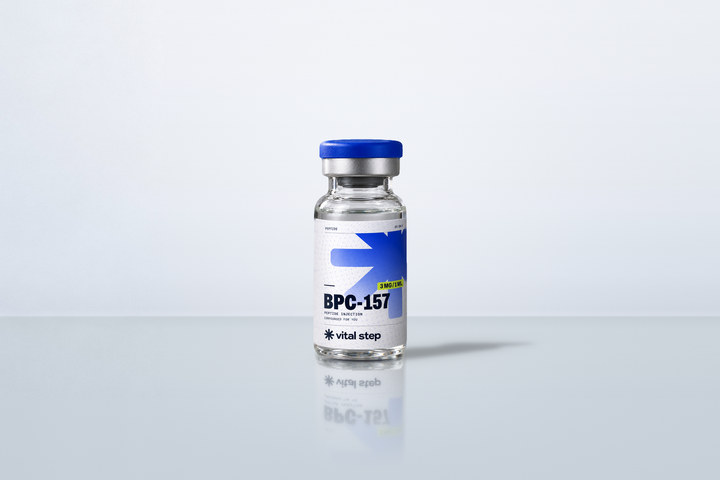
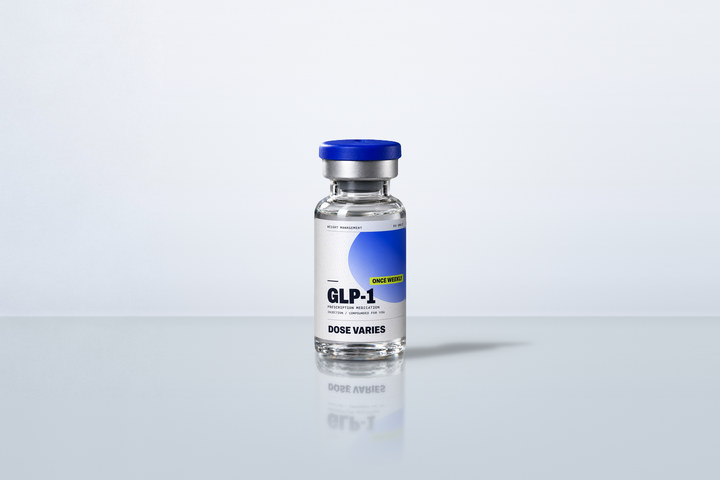
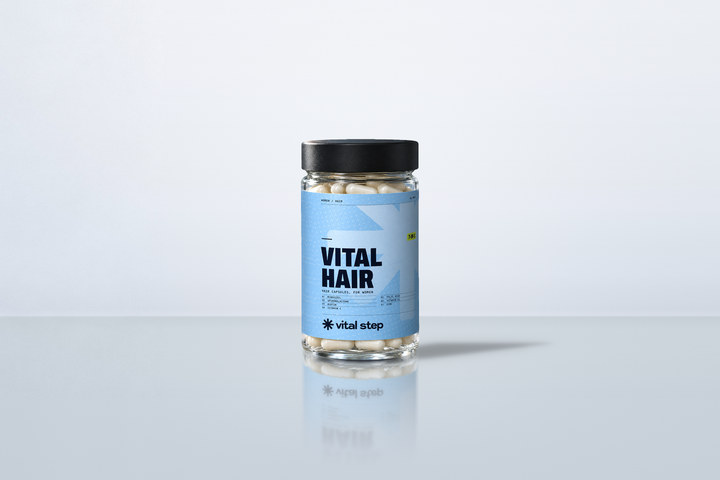


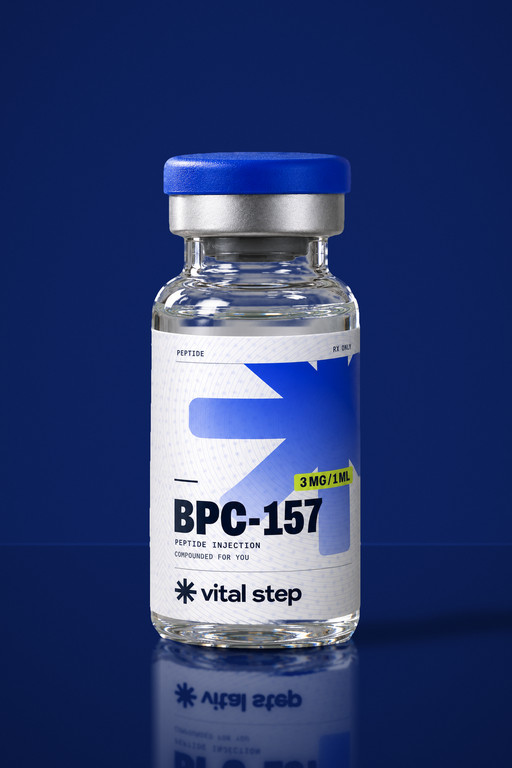 BPC-157The peptide for the injury that won’t go away.As low as $209/month
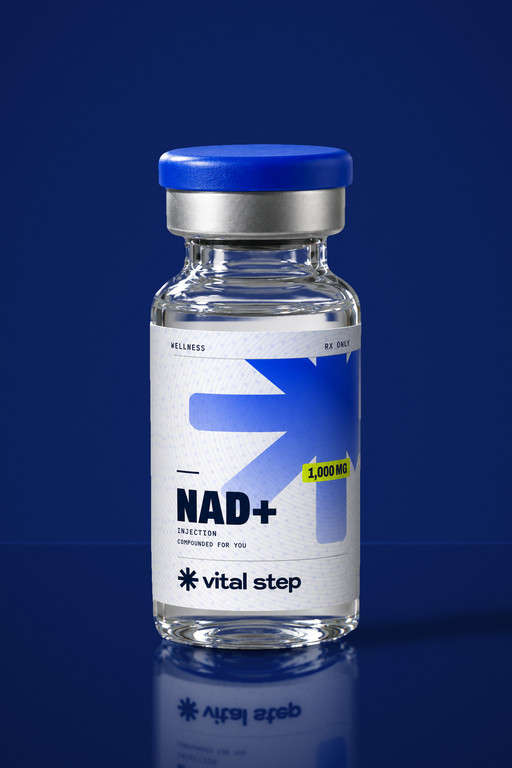 NAD+ injectionNAD+. Your cells’ energy molecule. A shot at home.As low as $199/month
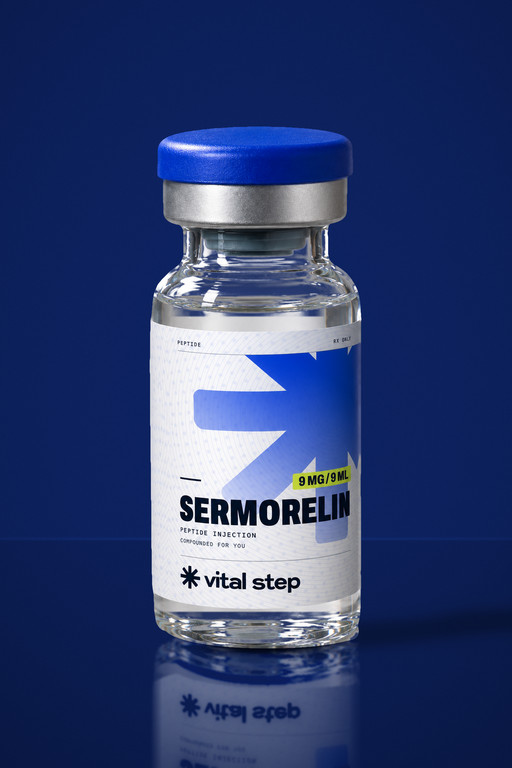 SermorelinKeep your muscle with your own growth hormone.As low as $249/month
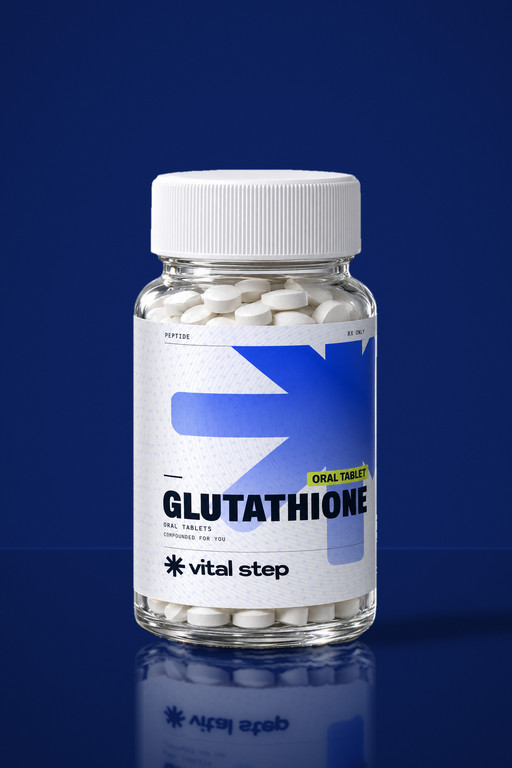 Glutathione tabletsYour body’s master antioxidant, in a tablet.As low as $165/month
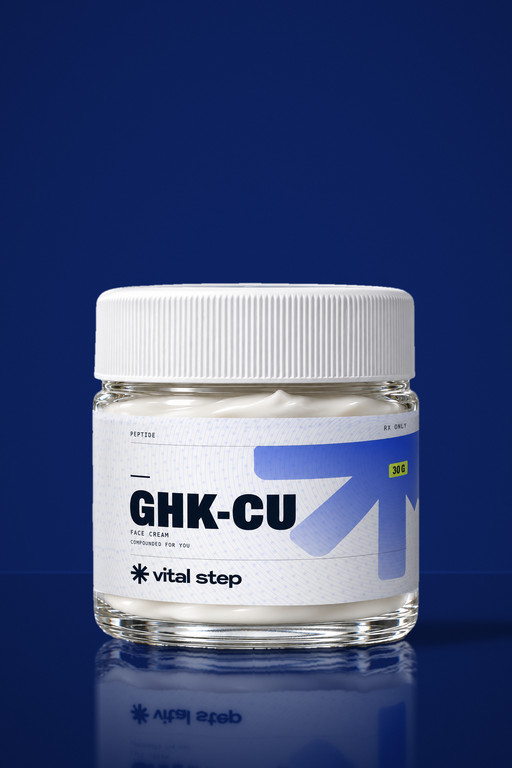 GHK-Cu face creamThe prescription cream for firmer, smoother skin.As low as $285/month
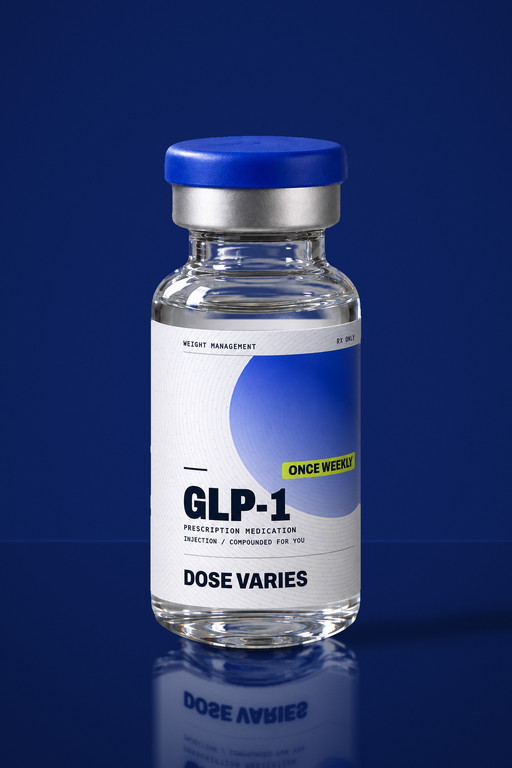 Semaglutide injectionThe weekly shot that quiets hunger. Lose the weight.As low as $166.58/month
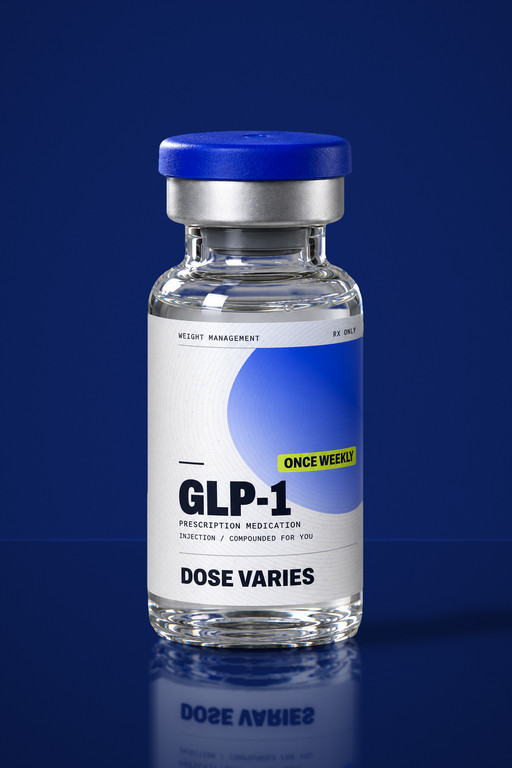 Tirzepatide injectionLose weight with tirzepatide. One shot a week.As low as $208.25/month
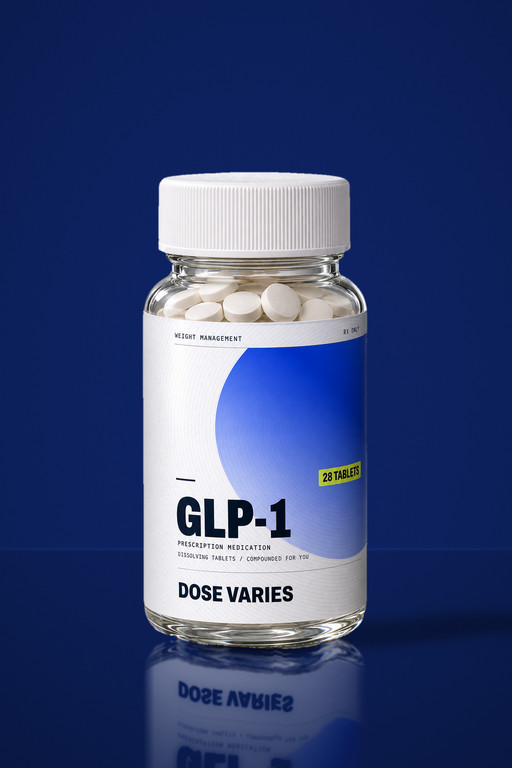 Semaglutide tabletsSemaglutide tablets for weight loss. No needle.As low as $166.58/month
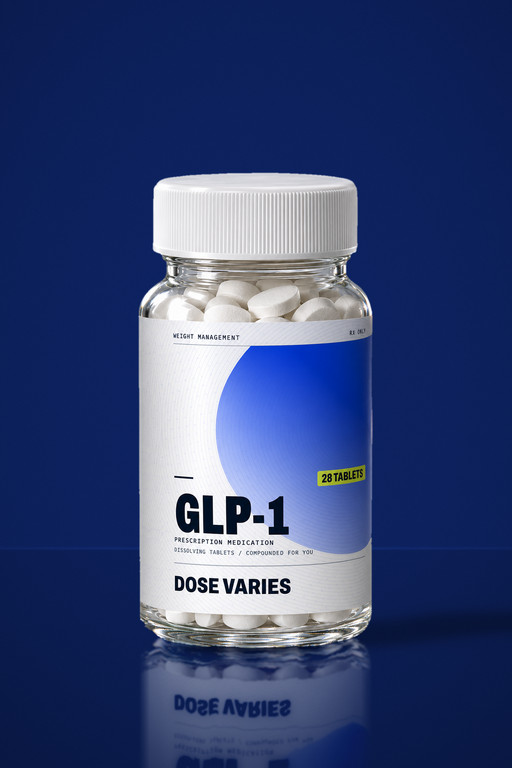 Tirzepatide tabletsTirzepatide for weight loss, in a tablet.As low as $208.25/month


 Vital Hair 7-in-1Treat thinning hair. One capsule a day.As low as $89/month
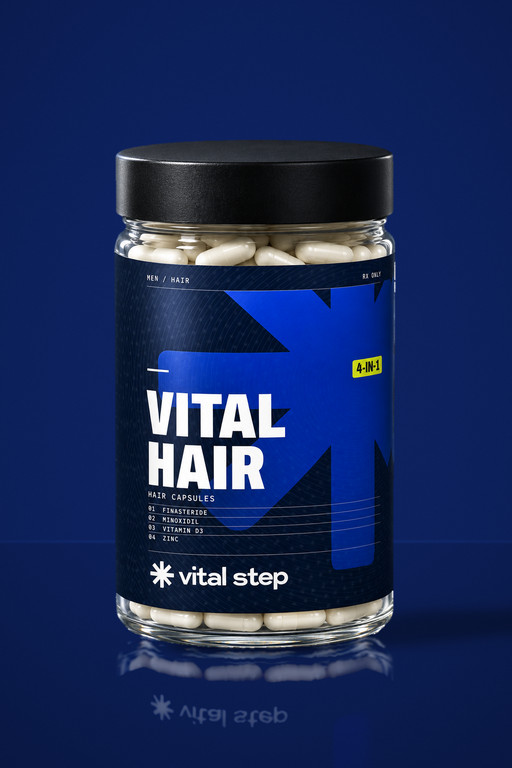 Vital Hair 4-in-1 capsulesKeep your hair. Thicken the crown. One capsule a day.As low as $99/month
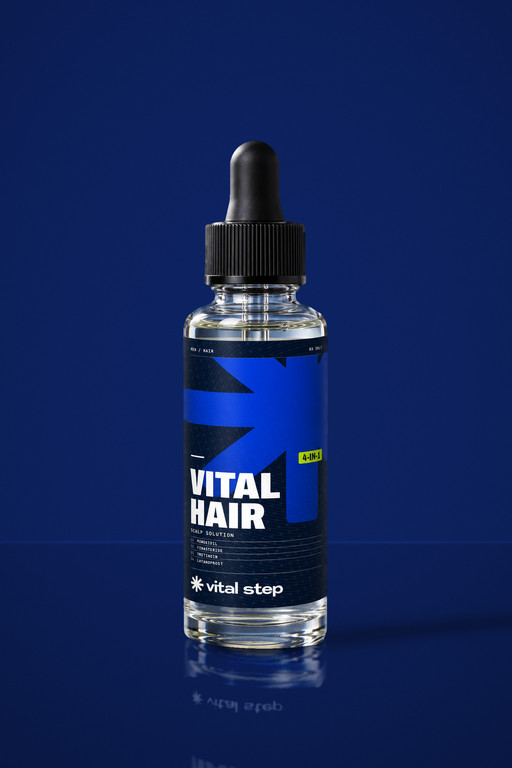 Vital Hair Topical 4-in-1Treat thinning hair. Skip the pill.As low as $109/month
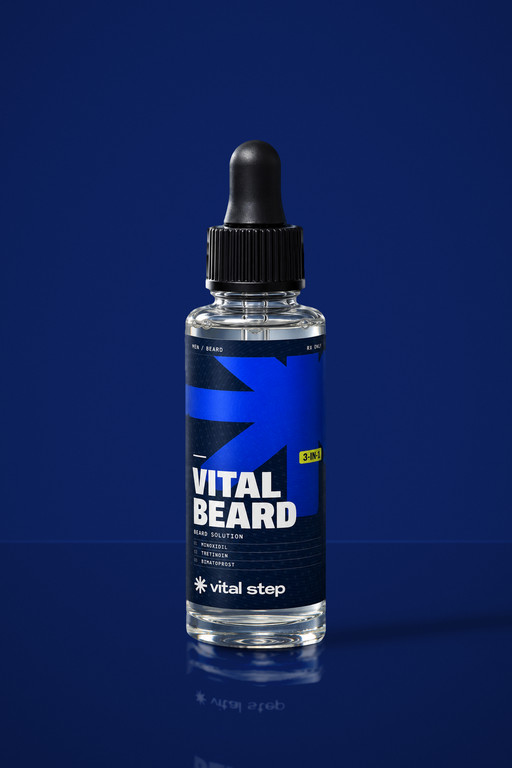 Vital Beard 3-in-1The prescription that fills in a patchy beard.As low as $99/month
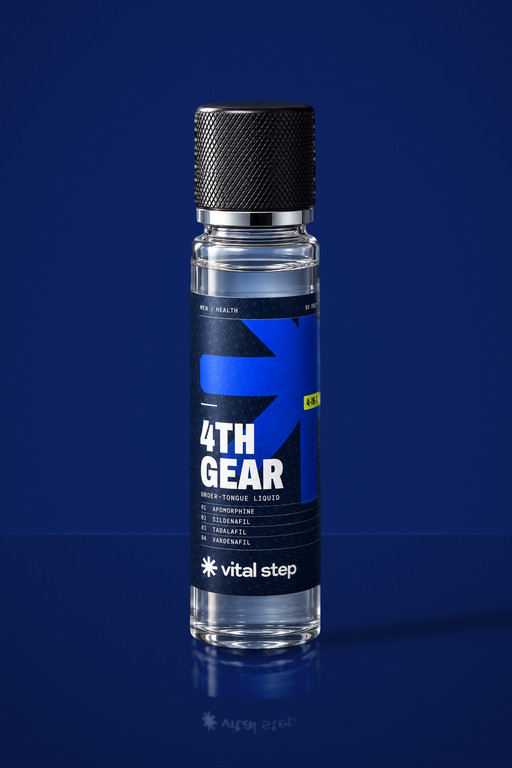 4th GearThe ED treatment that works on brain and body.As low as $10.45/dose
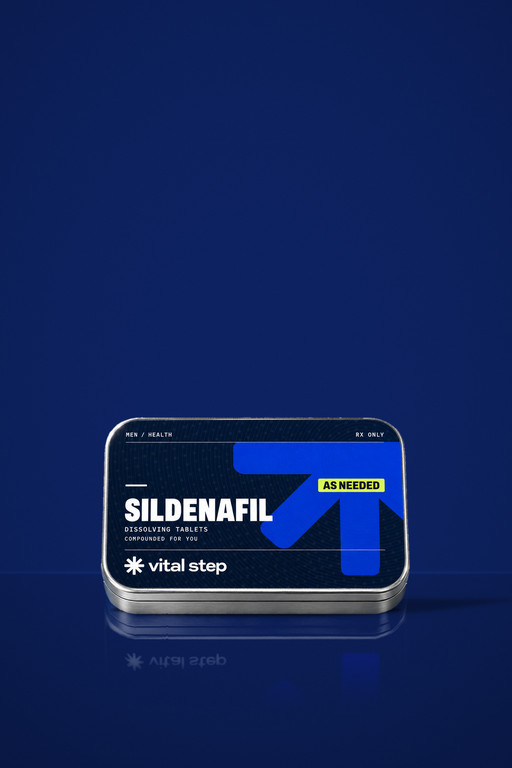 SildenafilTreat ED with the medicine in Viagra.As low as $5.50/dose
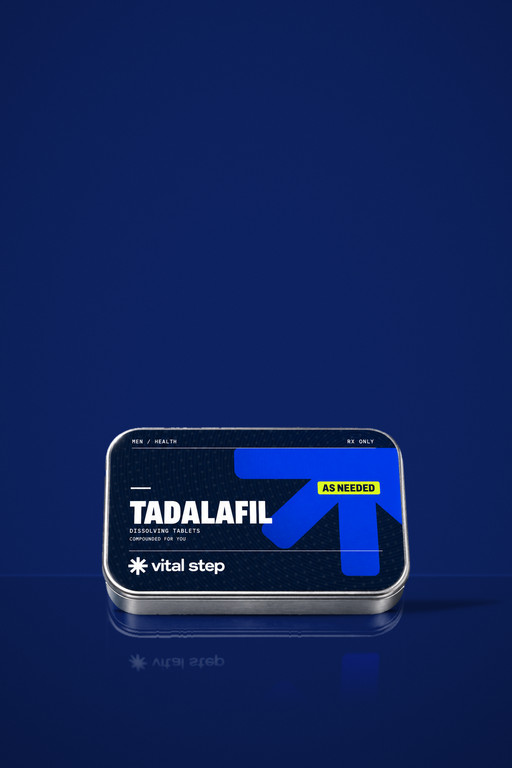 TadalafilTreat ED. Forget the clock.As low as $5.50/dose
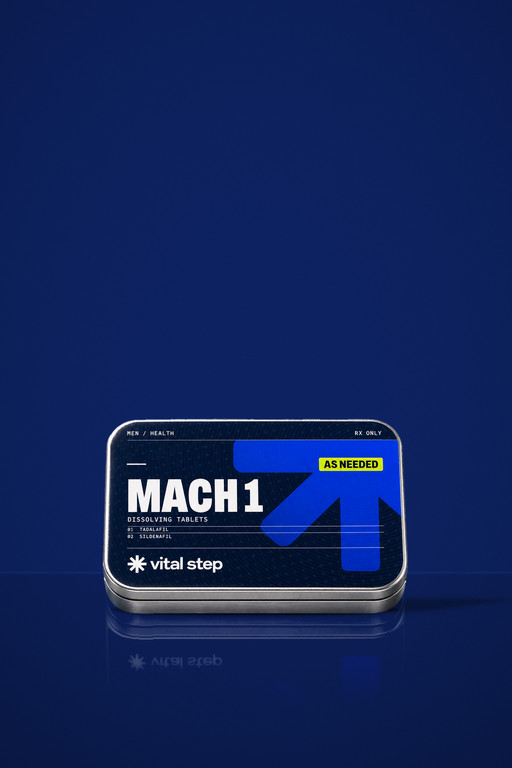 Mach 1Two ED medicines. One tablet.As low as $15.50/dose
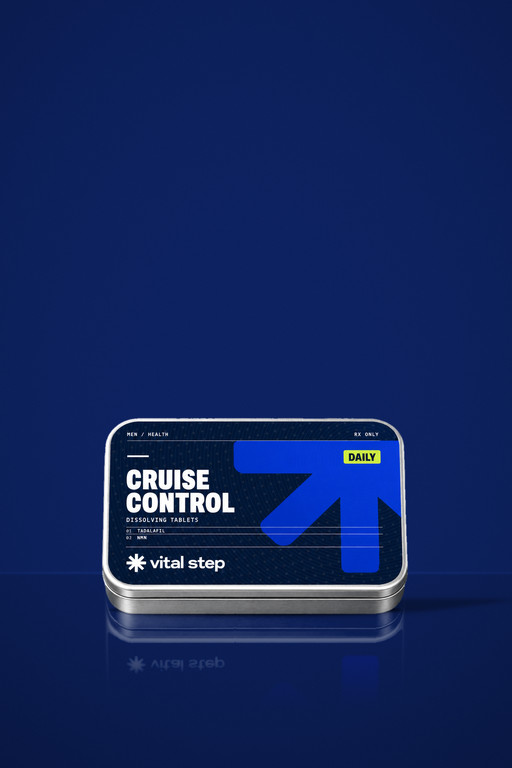 Cruise ControlTreat ED daily. No pill before sex.As low as $159/month
LEGITSCRIPT CERTIFIEDUS-BASED LICENSED DOCTORSLICENSED PHARMACYHIPAA COMPLIANTDISCREET DELIVERY
Free online visit. Free shipping. Cancel anytime.
WHAT DO YOU WANT HELP WITH?
LEGITSCRIPT CERTIFIEDUS-BASED LICENSED DOCTORSLICENSED PHARMACYHIPAA COMPLIANTDISCREET DELIVERY
Free online visit. Free shipping. Cancel anytime.

Guide7 min read
SEMAGLUTIDE.LESS HUNGER.LOSE THE WEIGHT.
Semaglutide is a GLP-1 medicine. It copies GLP-1, the hormone that tells your brain you are full, so you eat less and lose weight. It comes as a weekly shot or a tablet, prescribed online by a doctor.
As low as $166.58/month
Free online visit. Free shipping. Cancel anytime.
LegitScript certifiedLicensed pharmacyUS-based licensed doctorsHIPAA compliant
A GLP-1 MEDICINEFOR WEIGHT LOSS
You have tried to eat less, and you were hungry the whole time. Hunger is what ends every diet. Semaglutide lowers your appetite. People take it to lose weight, and many describe quieter thoughts about food.

Semaglutide injection
The weekly shot that quiets hunger. Lose the weight.
A GLP-1 medicine. Turns hunger down.
As low as$166.58/month
View treatmentSemaglutide is a GLP-1 medicine. It is prescription only. It copies GLP-1, a hormone your own gut makes after you eat, and GLP-1 is your body’s signal for “I’ve had enough”.
Who it is for
The trial that tested semaglutide for weight loss enrolled adults with a body mass index of 30 or more, or 27 or more with at least one weight-related health condition. Women and men take it. A doctor reads your health history and decides whether it fits you.
AFTER A MEAL,YOU FEEL FULL SOONER
Semaglutide does two things in your body, and you can feel both.
- It tells your brain you are full (doctors call it a GLP-1 receptor agonist). You feel that as less appetite, and people describe getting full sooner.
- It slows your stomach. Food leaves it more slowly, so a meal stays with you.
The approved label says it in a doctor’s words: semaglutide delays gastric emptying and decreases calorie intake, and the effect likely comes from appetite.
Thinking about food all day has a name, food noise: the next meal, the snack, the second helping. A 2026 interview study in JAMA Network Open talked to 30 adults who had used a GLP-1 medicine, most of them with type 2 diabetes. A majority said that noise dropped. No trial has measured it, so take it as what people report.
Why it works when diets did not
Semaglutide works on appetite itself: the approved label says it decreases calorie intake. In the STEP 1 trial everyone followed a diet and activity program, and the people who also took the medicine lost 14.9 percent of their body weight on average, against 2.4 percent.
A WEEKLY SHOTOR A TABLET
Vital Step offers semaglutide two ways.
The shot is one small injection under the skin, once a week, on the day you pick. The approved label gives semaglutide a half-life of about one week (the time your body takes to clear half a dose), and it is taken once a week. It comes in a vial, and your strength and directions are printed on your label.
The tablet is for people who will not use a needle. It is a dissolving tablet, 28 in a jar, and you take it the way your label says. It is the no-needle form, with no shot day.
One difference matters. The weekly shot is the form the large trial tested. No study in people has measured how the Vital Step tablet is absorbed or how much weight people lose on it. An approved semaglutide tablet exists, and it is a different product with different directions. Tell the doctor which form you want, and the doctor decides what fits.
Both forms are prepared by a licensed pharmacy for your prescription. Compounded medications are not FDA-approved.
The treatments
A WEEKLY SHOTOR A TABLET.LESS HUNGER.
Semaglutide injection is one small shot a week. Semaglutide tablets have no needle. A doctor prescribes the one that fits you.
Semaglutide injection
As low as $166.58/month
See Semaglutide injectionSemaglutide tablets
As low as $166.58/month
See Semaglutide tablets

Prescribed online by a US-based licensed doctor, if it is right for you.
THE FIRST MONTHS,BEST CASE
As a best case, the first months on semaglutide go like this.
First: you get full sooner
You start on a low dose. People on semaglutide describe getting full sooner and leaving food on the plate.
Next: food is on your mind less
As your dose steps up, people say they stop planning the next snack and get on with the day.
Then: the weight comes off
You eat less each day, and the weight follows. In the trial the average loss was measured over 68 weeks, so give it time.
What people say they get back
Your clothes: the jeans at the back of the closet come forward again. Your energy: lighter days, with more left for the walk, the gym and the kids. Your confidence: you stop avoiding the camera, the pool and the mirror.
This is a best case. Individual results vary. Your doctor sets your dose.

YOU START LOWAND STEP UP
Your doctor starts you on a low dose and raises it one step at a time, so your stomach can settle in. On the approved semaglutide label a step comes every 4 weeks. Your own steps are your doctor’s call, and they are printed on your label.
Never change the dose on your own. The FDA has received reports of dosing errors with compounded injectable semaglutide, where people measured or injected the wrong amount. Before your first shot, ask your care team to walk you through how to measure your dose. If you miss a dose, message your care team before you take the next one. Do not double up.
SIDE EFFECTS, STRAIGHT
The most common side effects are nausea, vomiting, diarrhea, constipation and stomach pain, mostly while the dose is rising. In the trials on the approved semaglutide label, nausea was reported by 44 percent of adults on the shot against 16 percent on placebo, diarrhea by 30 percent, vomiting by 24 percent, constipation by 24 percent and stomach pain by 20 percent. In the STEP 1 trial, nausea and diarrhea were mostly mild to moderate and passed with time, and 4.5 percent of people stopped the medicine because of stomach side effects. Those rates come from trials of the brand medicine, and the compounded versions from Vital Step were not tested in them.
The serious warnings on the approved labels are these.
- Inflammation of the pancreas. Severe stomach pain that does not go away needs medical care at once.
- Gallbladder problems.
- Low blood sugar, if you take insulin or a sulfonylurea (a kind of diabetes tablet).
- Kidney problems from dehydration. Keep drinking when you feel sick.
- Changes in vision, for people with diabetic retinopathy.
- Inhaling stomach contents during anesthesia or deep sedation. Tell any surgeon you take semaglutide.
Approved medicines in this class also carry a boxed warning for a risk of thyroid C-cell tumors, seen in rodents. Whether this applies to people is not known.
Who should not take it
Do not take semaglutide if you or a family member has had medullary thyroid carcinoma or Multiple Endocrine Neoplasia syndrome type 2 (MEN 2), or if you have had a serious allergic reaction to semaglutide. Do not take it with another GLP-1 medicine. If you plan a pregnancy, stop at least 2 months before, because it may harm an unborn baby.
WHAT THE RESEARCH SHOWS
The main trial is STEP 1, published in the New England Journal of Medicine in 2021. It followed 1,961 adults for 68 weeks. The people on the weekly dose of semaglutide lost 14.9 percent of their body weight on average, against 2.4 percent on placebo. In the same trial, 86.4 percent of the people on the medicine lost at least 5 percent of their weight, and about half lost 15 percent or more.
Those are averages over more than a year. Some people lost more and some lost less.
STEP 1 tested the brand medicine as a weekly shot. The compounded semaglutide from Vital Step, shot or tablet, was not tested in that trial.
LESS HUNGER.SMALLER PLATES.LESS WEIGHT.
WHAT COMPOUNDEDMEANS FOR YOU
Semaglutide from Vital Step is compounded. A licensed pharmacy prepares it for your prescription and prints your name and directions on the label. The compounded version is not a brand-name product, and it is not FDA-approved.
The FDA puts the limit plainly: compounded drugs are not FDA-approved, which means the agency does not verify their safety, effectiveness or quality before they are sold. You should know that before you start. What you get from Vital Step is a US-based licensed doctor who decides, and a licensed pharmacy that prepares your medicine.
THE VISIT AND THE COST
The visit is a few questions on your phone, with no waiting room. A US-based licensed doctor reads your answers and prescribes only if it is right for you. The doctor asks about your weight and your goals, your health history, your family’s health and every medicine you take.
Semaglutide injection is from $166.58 a month. Semaglutide tablets are from $166.58 a month. Free online visit. Free shipping. Cancel anytime. You pay only if a doctor prescribes, and it arrives in 3 to 5 business days in discreet packaging.
Start your visit today. If one small shot a week suits you, ask about Semaglutide injection. If you will not use a needle, ask about Semaglutide tablets. The doctor prescribes the one that fits you.

Licensed doctors
Skip thewaiting room.Not the doctor.
Your visit is online: a few questions, from your phone. A licensed doctor reads your answers and prescribes if it is right for you.
What your doctor asks about
- Your weight and your goals
- Your health history
- Your family’s health
- Every medicine you take
Online, from your phone.
FAQ
Commonquestions.
Your doctor answers the rest in your visit.
LegitScript certified
US-based licensed doctors. Licensed pharmacy. HIPAA compliant. Discreet delivery.
-
Semaglutide injection is from $166.58 a month and semaglutide tablets are from $166.58 a month. The online visit is free, shipping is free, and you can cancel anytime. You pay only if a doctor prescribes.
-
Yes. Vital Step is LegitScript certified. LegitScript verifies that a healthcare business meets its Certification Standards. A licensed doctor reads your answers and prescribes if a treatment fits you, and a licensed pharmacy prepares it.
-
No. Ours is compounded semaglutide: prepared by a licensed pharmacy for your prescription. It is not FDA-approved.
-
It is different for everyone. In the STEP 1 trial of weekly semaglutide, the average was 14.9 percent of body weight over 68 weeks. The compounded versions were not in that trial. Your doctor tracks your progress with you.
-
People take semaglutide to feel full sooner and eat less. How it goes is different for everyone, and your doctor adjusts your dose as you go.
-
Both are semaglutide. The shot is once a week and is the form the large trial tested. The tablet has no needle, and no study has measured it in people. Say which you want in your visit, and your doctor helps you choose.
-
MedlinePlus says many people regain lost weight if they stop a GLP-1 medicine. Talk to your doctor before you stop or pause, and they will plan it with you.
Keep reading8 min read
GLP-1 TELLSYOUR BRAINYOU ARE FULL.
GLP-1 is the hormone your gut uses to tell your brain you are full. GLP-1 medicine copies it. People take it to feel full sooner, eat less and lose weight. A doctor prescribes it online if it is right for you.
Read the guideMORE GUIDES
All guides


Prescription only. This product is compounded by a licensed pharmacy for your prescription. It is not FDA approved, and FDA does not review it for safety, effectiveness or quality.
Prescription only. Semaglutide tablets are compounded: prepared by a licensed pharmacy for your prescription. They are not FDA approved. FDA does not review compounded medicines for safety, effectiveness or quality. An approved semaglutide tablet exists; it is a different product with different directions. No study in people has measured how this tablet is absorbed or how much weight people lose on it.
Approved medicines in this class carry a boxed warning for risk of thyroid C-cell tumors, seen in rodents; whether this applies to people is not known. Do not take semaglutide if you or a family member has had medullary thyroid carcinoma or Multiple Endocrine Neoplasia syndrome type 2 (MEN 2), or if you have had a serious allergic reaction to semaglutide.
Serious warnings on the approved labels include inflammation of the pancreas (pancreatitis), gallbladder problems, low blood sugar when taken with insulin or a sulfonylurea, kidney problems from dehydration, changes in vision for people with diabetic retinopathy, and inhaling stomach contents during anesthesia or deep sedation. Do not take it with another GLP-1 medicine.
The most common side effects are nausea, vomiting, diarrhea, constipation and stomach pain, mostly while the dose is rising. Tell your doctor about any side effect. If you plan a pregnancy, stop at least 2 months before; it may harm an unborn baby.
Sources
- Once-Weekly Semaglutide in Adults with Overweight or Obesity (STEP 1). New England Journal of Medicine, via PubMed, 2021.
- Semaglutide Injection. MedlinePlus Drug Information, National Library of Medicine, 2026.
- GLP-1 agonists. MedlinePlus Medical Encyclopedia, National Library of Medicine, 2026.
- Semaglutide injection, FDA-approved prescribing information. Novo Nordisk, via DailyMed, National Library of Medicine, 2026.
- Compounding and the FDA: Questions and Answers. U.S. Food and Drug Administration, 2025.
- FDA’s Concerns with Unapproved GLP-1 Drugs Used for Weight Loss. U.S. Food and Drug Administration, 2026.
- Patient Experiences With GLP-1 Receptor Agonists. JAMA Network Open, 2026.