WHAT DO YOU WANT HELP WITH?
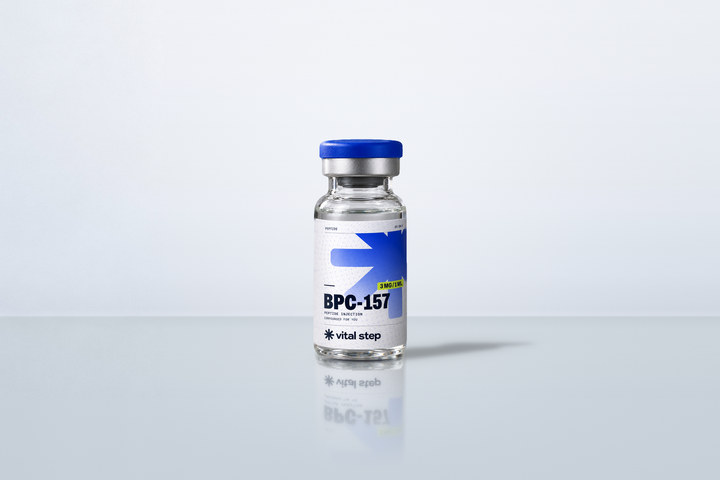
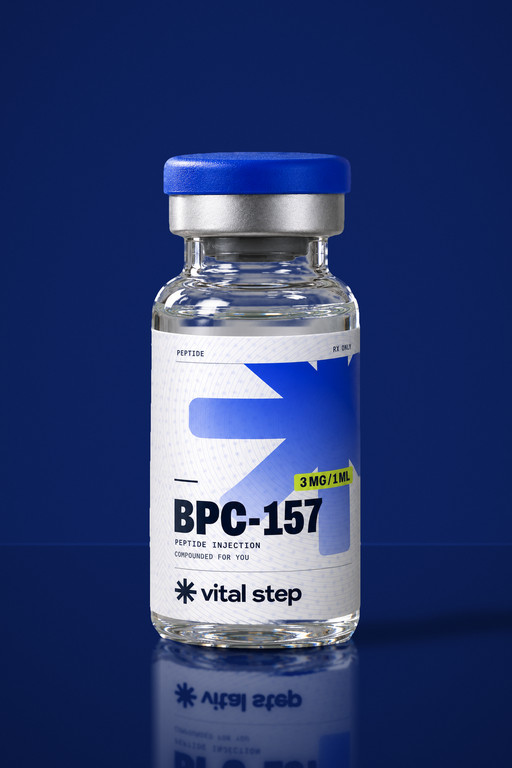 BPC-157The peptide for the injury that won’t go away.As low as $209/month
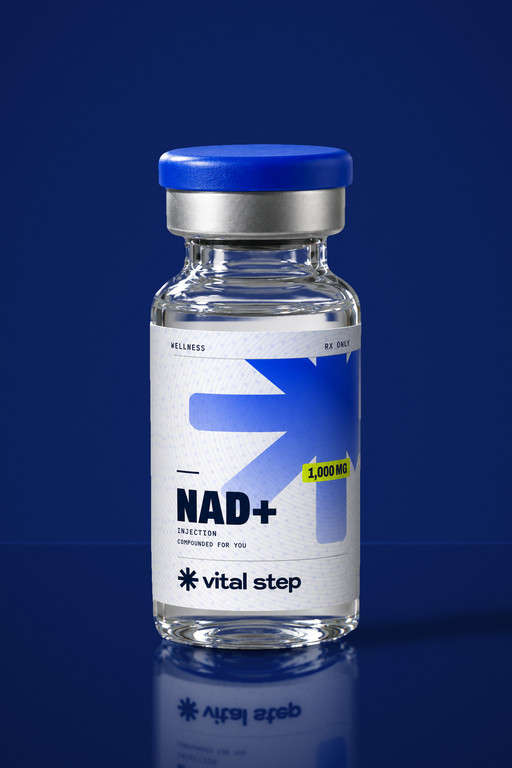 NAD+ injectionNAD+. Your cells’ energy molecule. A shot at home.As low as $199/month
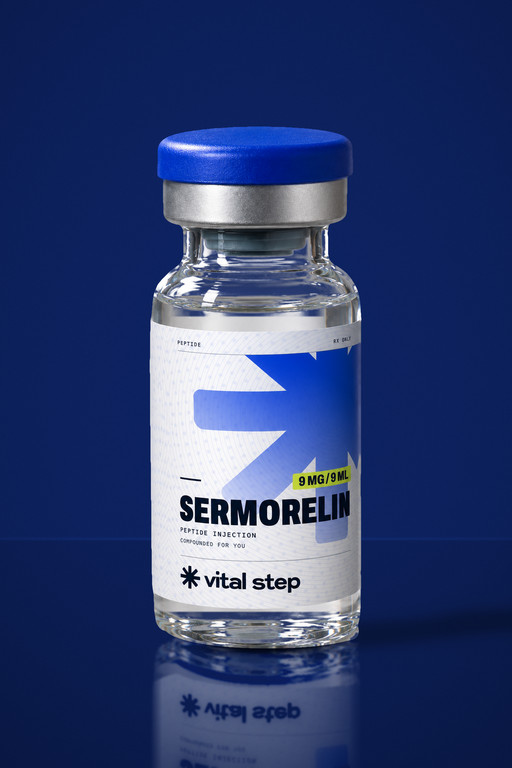 SermorelinKeep your muscle with your own growth hormone.As low as $249/month
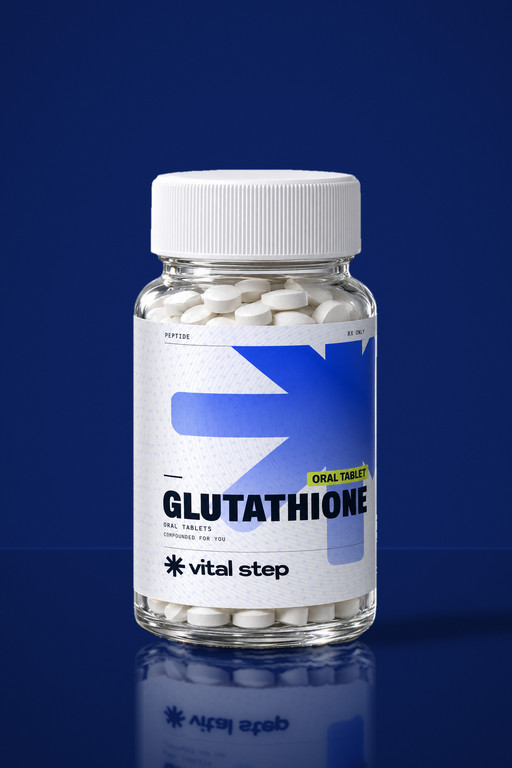 Glutathione tabletsYour body’s master antioxidant, in a tablet.As low as $165/month
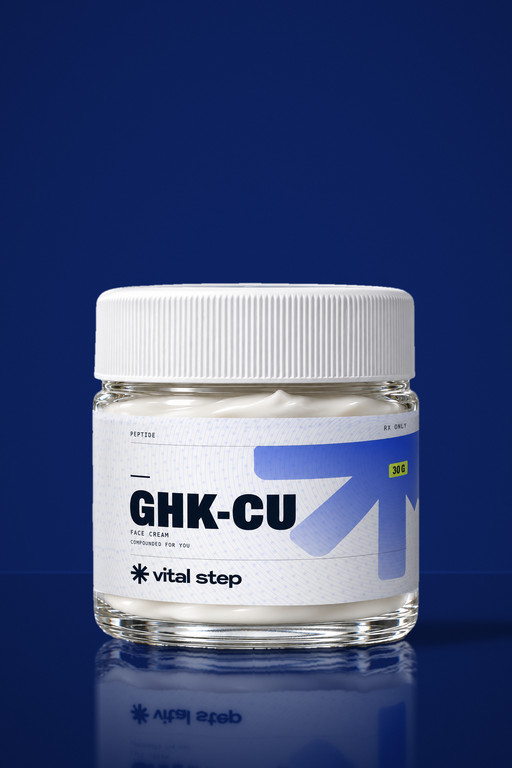 GHK-Cu face creamThe prescription cream for firmer, smoother skin.As low as $285/month
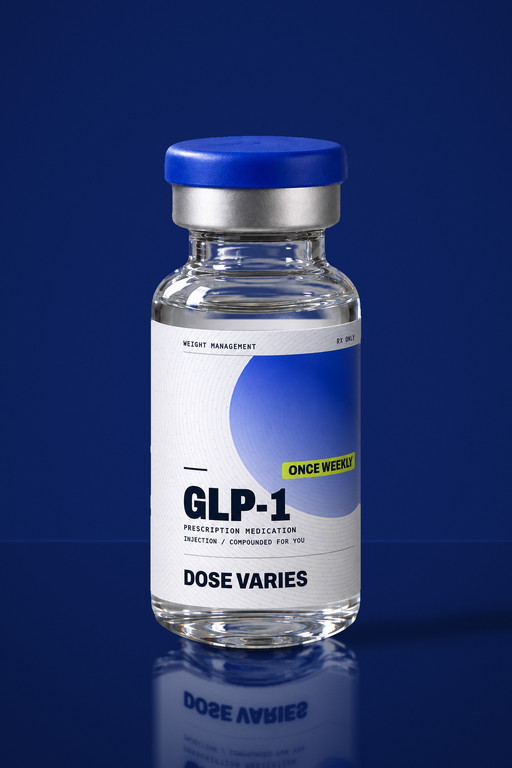 Semaglutide injectionThe weekly shot that quiets hunger. Lose the weight.As low as $166.58/month
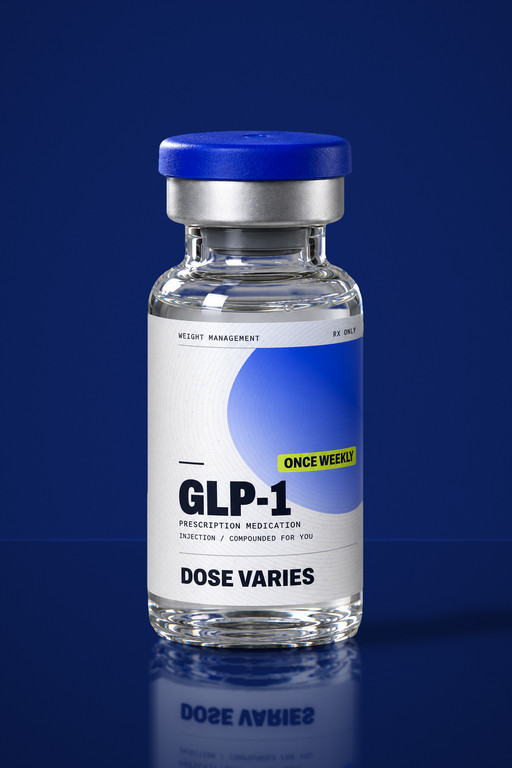 Tirzepatide injectionLose weight with tirzepatide. One shot a week.As low as $208.25/month
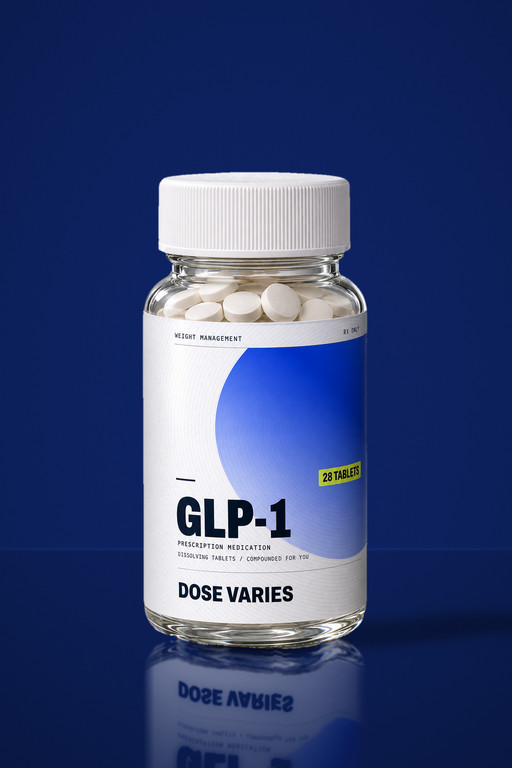 Semaglutide tabletsSemaglutide tablets for weight loss. No needle.As low as $166.58/month
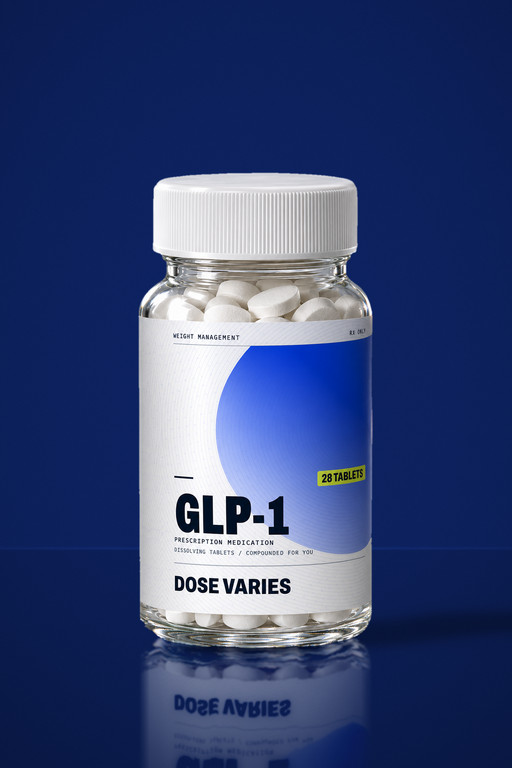 Tirzepatide tabletsTirzepatide for weight loss, in a tablet.As low as $208.25/month
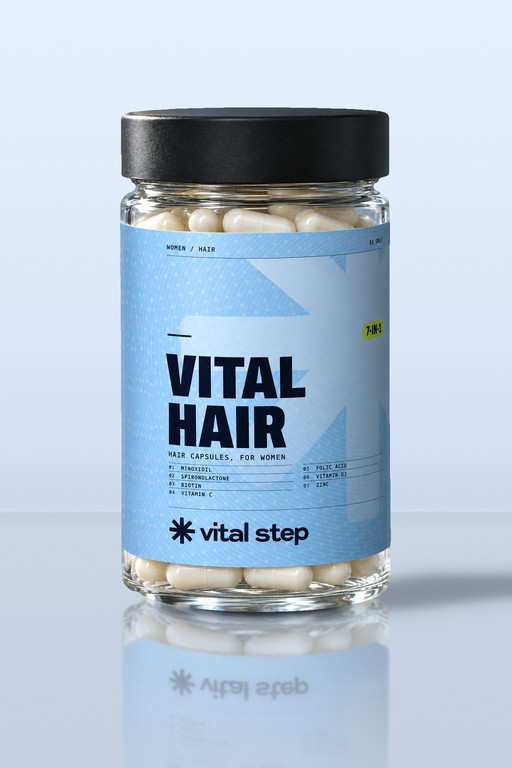
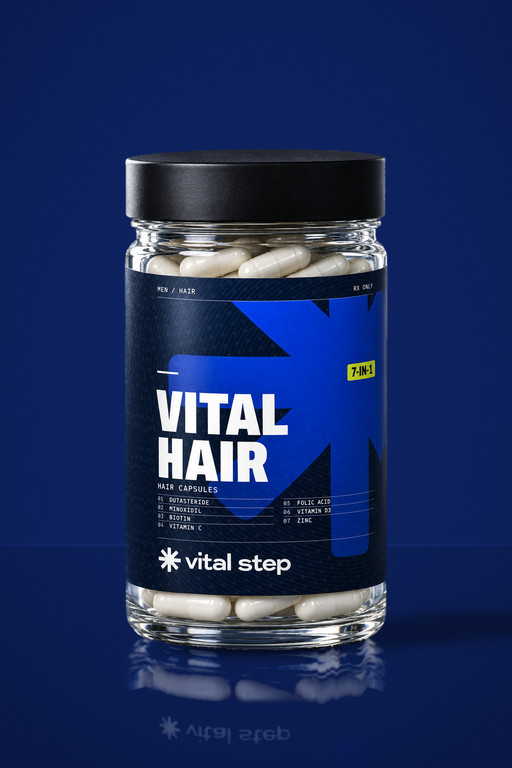 Vital Hair 7-in-1Treat thinning hair. One capsule a day.As low as $89/month
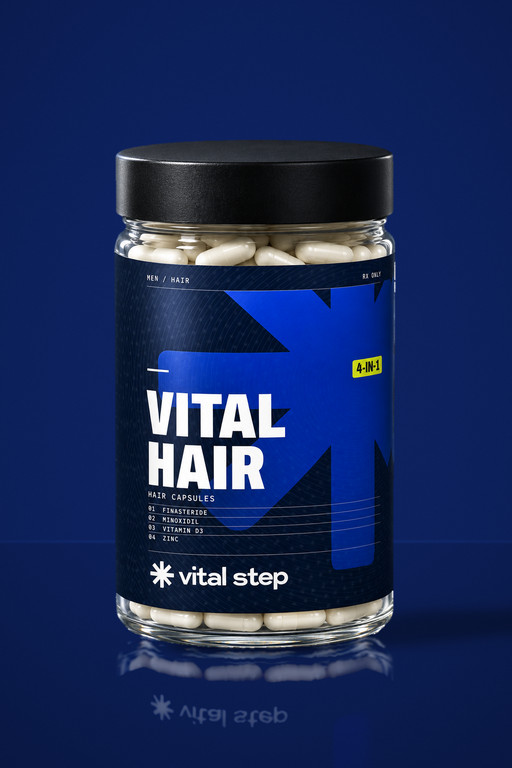 Vital Hair 4-in-1 capsulesKeep your hair. Thicken the crown. One capsule a day.As low as $99/month
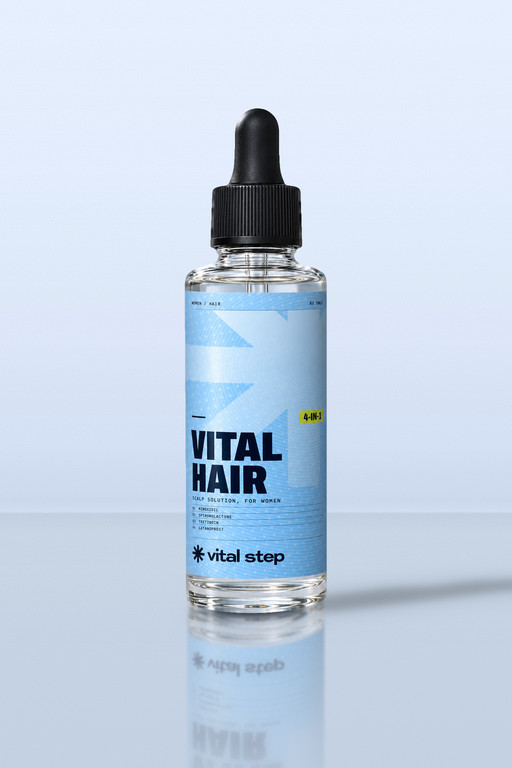
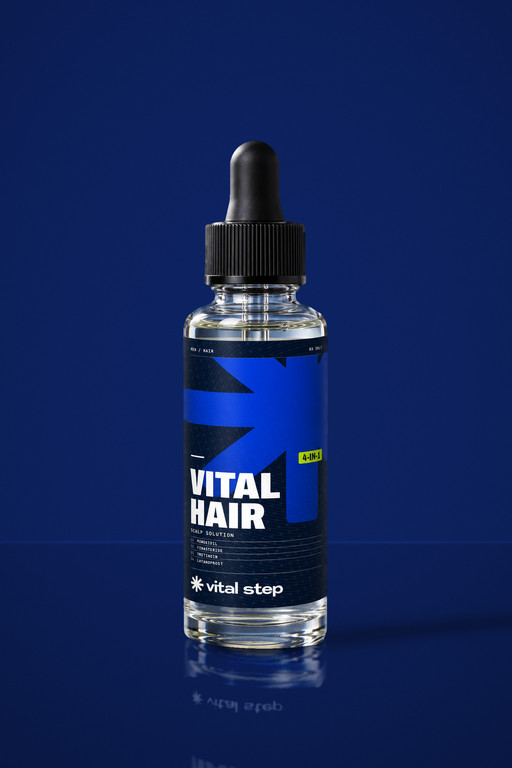 Vital Hair Topical 4-in-1Treat thinning hair. Skip the pill.As low as $109/month
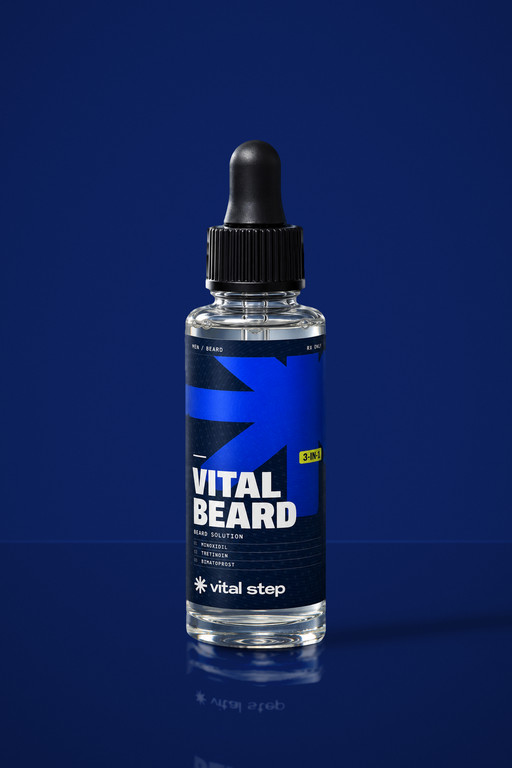 Vital Beard 3-in-1The prescription that fills in a patchy beard.As low as $99/month
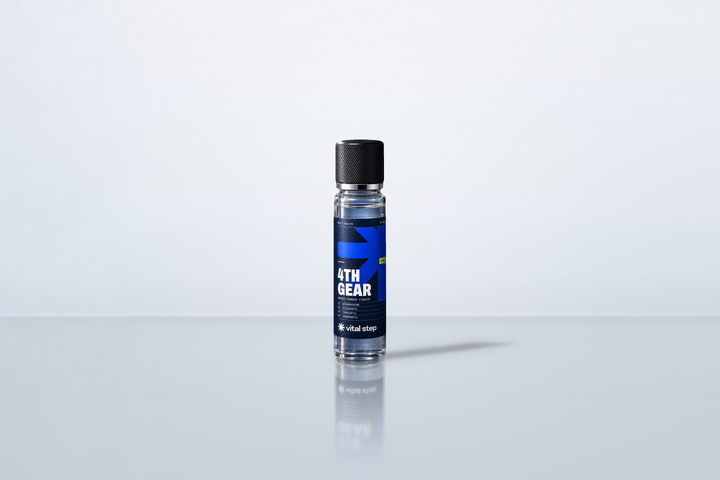
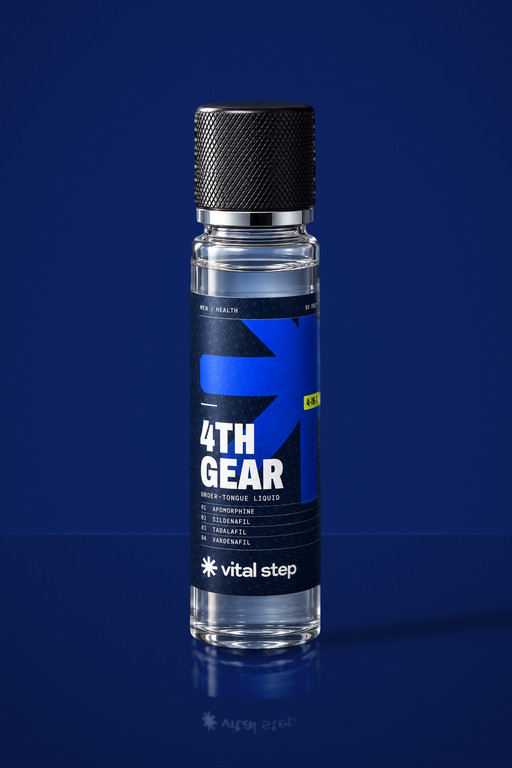 4th GearThe ED treatment that works on brain and body.As low as $10.45/dose
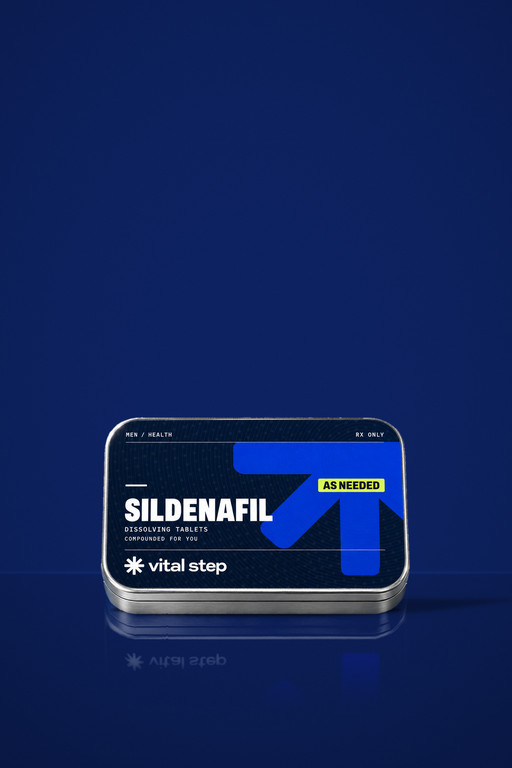 SildenafilTreat ED with the medicine in Viagra.As low as $5.50/dose
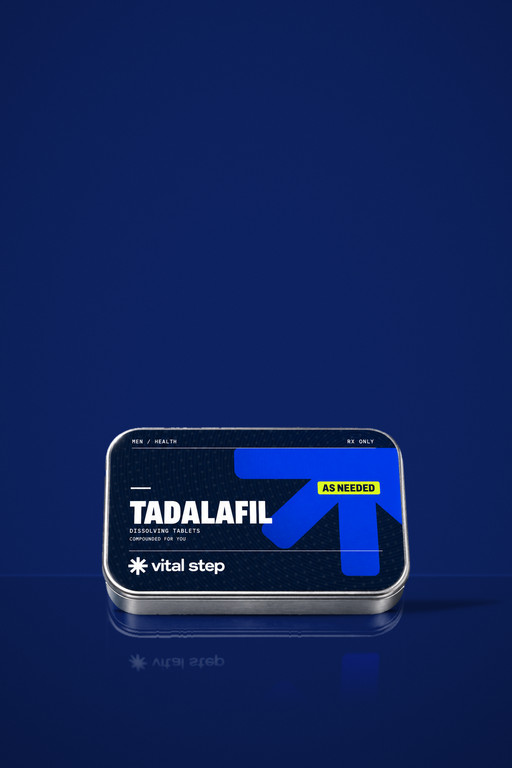 TadalafilTreat ED. Forget the clock.As low as $5.50/dose
 Mach 1Two ED medicines. One tablet.As low as $15.50/dose
 Cruise ControlTreat ED daily. No pill before sex.As low as $159/month
LEGITSCRIPT CERTIFIEDUS-BASED LICENSED DOCTORSLICENSED PHARMACYHIPAA COMPLIANTDISCREET DELIVERY
Free online visit. Free shipping. Cancel anytime.
WHAT DO YOU WANT HELP WITH?
LEGITSCRIPT CERTIFIEDUS-BASED LICENSED DOCTORSLICENSED PHARMACYHIPAA COMPLIANTDISCREET DELIVERY
Free online visit. Free shipping. Cancel anytime.

Guide7 min read
A WIDENING PARTCAN BE TREATED.GET FULLER HAIR.
Two prescription medicines treat women’s thinning hair. Spironolactone works on the hormones that play a part in thinning. Minoxidil supports new growth. In a daily capsule or in scalp drops, the best case is a fuller part in six months.
As low as $89/month
Free online visit. Free shipping. Cancel anytime.
LegitScript certifiedLicensed pharmacyUS-based licensed doctorsHIPAA compliant
WHY WOMEN’S HAIR THINS
Your part is wider than it used to be. Your ponytail feels thinner in your hand, there is more hair in the brush, and under a bright bathroom light you can see your scalp. You want your hair back: fuller along your part and thick enough that you stop thinking about it. That can be treated, and what treats it is prescription medicine.

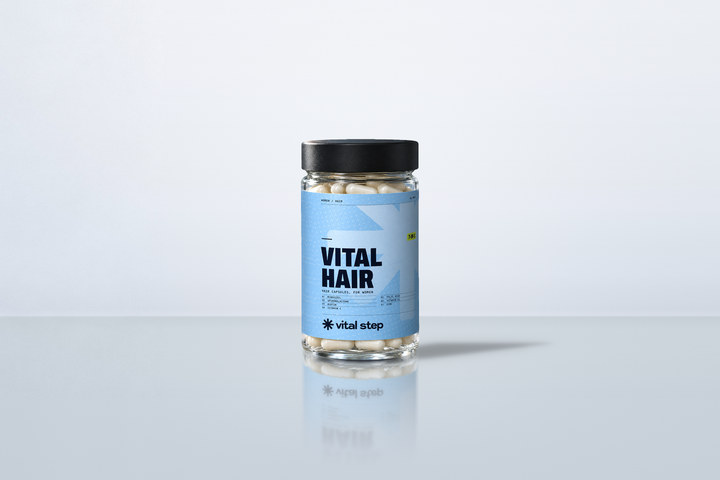
Vital Hair 7-in-1 for Women
The women’s capsule for fuller hair.
Two medicines and five nutrients in one daily capsule.
As low as$89/month
View treatmentEvery hair grows from a follicle under your scalp. In female pattern hair loss, the follicles along your part slowly shrink, so each hair grows in finer and shorter and more scalp shows between them. For many women, hormones play a part. The follicles also need help growing, and the nutrients to grow with.

This kind of thinning comes on slowly. Hair loss that is sudden, comes out in patches, or follows childbirth is different, and a doctor needs to look at it before you treat it.
TWO MEDICINES DO THE WORK
Spironolactone is the hormone medicine. It blocks the effect of androgens, the hormones that play a part in thinning for many women, so you keep more of the hair you have. Doctors prescribe it off-label for women’s thinning.
Minoxidil is the growth medicine, the medicine in Rogaine. It supports new growth at the follicle, so short new hairs come in along your part.
They work better together. A 2023 review in Clinical, Cosmetic and Investigational Dermatology, of 7 studies covering 618 patients, 553 of them women, found that spironolactone showed benefit for hair loss and worked better alongside minoxidil. That is why both Vital Hair treatments for women carry the two of them.
Hair vitamins and drugstore foam fall short for a plain reason. A hair vitamin has no medicine in it, and the evidence that vitamins regrow hair is thin. A medicine a doctor prescribes is what treats the cause. A drugstore foam has one medicine, for growth, and nothing for the hormone signal.
CAPSULE OR DROPS
You can take the two medicines as a capsule or put them on your scalp as drops.
- Vital Hair 7-in-1 for Women is one capsule a day. It has spironolactone 25 mg and minoxidil 1.25 mg, plus biotin, vitamin C, folic acid, vitamin D3 and zinc. It works from the inside and nothing goes on your hair. Your color, your heat styling and your protective styles stay exactly as they are. From $89 a month.
- Vital Hair Topical 4-in-1 for Women is a scalp solution you put on along your part with a dropper, with nothing to swallow. It has minoxidil 7% and spironolactone 0.25%. Tretinoin 0.0125%, the medicine in Retin-A, helps your scalp take in the minoxidil, and latanoprost 0.05%, a prescription glaucoma eye drop, is in the solution to help keep follicles growing. From $109 a month.
Choose the capsule if you do not want anything on your hair or under your braids. Choose the drops if you would rather not take a pill. Tell the doctor which you prefer, and your doctor prescribes the one that fits you.
Both are prepared by a licensed pharmacy for your prescription. Compounded medications are not FDA-approved.
The treatments
ONE CAPSULE A DAY.OR SCALP DROPS.A FULLER PART.
Both carry minoxidil and spironolactone. The capsule works from the inside. The drops go on along your part. A doctor prescribes what fits.
Vital Hair 7-in-1 for Women
As low as $89/month
See Vital Hair 7-in-1 for WomenVital Hair Topical 4-in-1 for Women
As low as $109/month
See Vital Hair Topical 4-in-1 for Women

Prescribed online by a US-based licensed doctor, if it is right for you.
SIX MONTHS, BEST CASE
Hair grows slowly, so this takes months, not weeks. The American Academy of Dermatology puts it the careful way: most people who see results notice them after about three months, and it can take six to twelve months. The stages below are the best case.
The first weeks: it can shed first
The medicines start to work at the root, and some women lose a little more hair early on. It passes. Keep going.
Months 2 to 3: less hair in the brush
As a best case, more of your hair stays where it is. You clean the brush less often, and there is less in the shower drain and on your pillow.
Months 3 to 6: new growth comes in
For some women, short new hairs show along your part and your hairline.
Month 6 on: a fuller part
As a best case, those hairs fill in across the line, your part looks narrower under bright light, and your ponytail feels thicker in your hand.
LESS HAIR IN THE BRUSH.NEW GROWTH.A THICKER PONYTAIL.
This is a best case. Individual results vary.
HOW YOU TAKE IT
The capsule is one a day, by mouth, as your doctor directs. That is all it asks of you: one capsule, every day, for six months before you judge it.
The drops go on at your part, on your scalp, clear of your eyes. Your doctor sets how much and how often, so use them the way your label says. Wash your hands after.
Daily use is what gets you there. A treatment you take every day works on your hair every day, and the one you skip does nothing.
WHO SHOULD NOT TAKE IT
Neither treatment is for use if you are pregnant, could be, are trying, or are breastfeeding. This is the rule that matters most, so here is the reason, straight.
Spironolactone may affect the development of a male baby during pregnancy. The minoxidil tablet label says it should not be given to a nursing mother. Tretinoin, in the drops, is used in pregnancy only if the benefit justifies the risk. If you could become pregnant, your doctor will talk with you about birth control while you take the capsule. Tell the doctor your plans before you start, and again if they change.
Do not take the capsule if you have high potassium, Addison’s disease or pheochromocytoma, a rare tumor of the adrenal gland, or if you take eplerenone. Do not use the drops on a red, irritated or painful scalp.
SIDE EFFECTS, STRAIGHT
Spironolactone can raise potassium, lower blood pressure and affect how your kidneys work. Its label also lists breast pain and irregular periods. The risk of high potassium is greater if you have kidney disease or take potassium supplements, salt substitutes or some blood pressure medicines, so the doctor asks about all of them and decides whether you need a potassium check.
Minoxidil by mouth, in the capsule, carries a boxed warning on its tablet label for serious heart effects, including fluid around the heart and worsening angina. It can cause water retention and unwanted hair on the face or body: in a study in the Journal of the American Academy of Dermatology of 1,404 patients on low-dose minoxidil by mouth, extra facial or body hair showed up in about 15% of treatment courses. Get medical care for chest pain, a rapid heartbeat, fainting, dizziness, sudden weight gain, or swollen hands or feet.
With the drops, tretinoin can irritate your scalp and make it sensitive to the sun, and latanoprost can darken the iris and change eyelid skin and lashes if it reaches your eyes. The solution is flammable. The capsule contains biotin, which can skew some blood tests, so tell the lab you take it.
WHAT THE RESEARCH SHOWS
The American Academy of Dermatology calls minoxidil on the scalp the most-recommended option for women. The label of the 5% minoxidil foam sold for women says some women need at least 6 months to see results. Spironolactone and minoxidil by mouth are real prescription medicines that doctors use off-label for hair.
The five nutrients are everyday vitamins and minerals. The two medicines do the treating.
The studies tested single medicines or the pair at other doses. No study has tested either Vital Hair treatment for women as a whole.
THE VISIT AND THE COST
You do the visit online, and it costs nothing. You answer a few questions about when your thinning started, your health history, your pregnancy plans and every medicine you take. A US-based licensed doctor reads every answer and prescribes only if the capsule or the drops are right for you.
You pay only if a doctor prescribes. A licensed pharmacy prepares your prescription and ships it to your door in discreet packaging, with free shipping, and you can cancel anytime.
If you want the simplest routine, start with Vital Hair 7-in-1 for Women: one capsule a day and nothing on your hair. Start your visit today. As a best case, six months of daily use brings you closer to the part you used to have.

Licensed doctors
Skip thewaiting room.Not the doctor.
Your visit is online: a few questions, from your phone. A licensed doctor reads your answers and prescribes if it is right for you.
What your doctor asks about
- When your thinning started
- Your health history
- Pregnancy plans
- Every medicine you take
Online, from your phone.
FAQ
Commonquestions.
Your doctor answers the rest in your visit.

LegitScript certified
US-based licensed doctors. Licensed pharmacy. HIPAA compliant. Discreet delivery.
-
Vital Hair 7-in-1 for Women is from $89 a month. Vital Hair Topical 4-in-1 for Women is from $109 a month. The online visit is free, shipping is free, and you can cancel anytime. You pay only if a doctor prescribes.
-
No. Neither treatment is for use if you are pregnant, could be, are trying, or are breastfeeding. Spironolactone may affect the development of a male baby during pregnancy, and minoxidil carries pregnancy and nursing cautions. Tell your doctor your plans before you start.
-
Yes. Some women shed a little more in the first weeks. Keep going, and tell your doctor if it worries you.
-
Not with the capsule. Nothing goes on your hair or your scalp, so your color, heat and protective styles stay as they are. The drops go on your scalp along your part, the way your label says.
-
Doctors use it off-label for women with pattern hair loss. Your doctor decides whether it fits you.
-
Spironolactone can raise potassium, so list your medicines and supplements in the visit, including potassium and salt substitutes. Your doctor decides whether you need a potassium check.
-
Tell your doctor. A sudden change, a bare patch, or hair loss after childbirth gets a closer look before any treatment.


Vital Hair 7-in-1 for Women is compounded by a licensed pharmacy and is not FDA approved.
Not for use if you are pregnant, could be, are trying, or are breastfeeding. Spironolactone may affect a male baby’s development during pregnancy, and minoxidil carries pregnancy and nursing cautions. Spironolactone can also raise potassium, so tell your doctor about every medicine and supplement, including salt substitutes.
Spironolactone may affect the development of a male baby during pregnancy. Tell your doctor if you are pregnant, could be, plan to be, or are breastfeeding. The minoxidil tablet label says it should not be given to a nursing mother and should be used in pregnancy only if the benefit justifies the risk. If you could become pregnant, your doctor will talk with you about birth control while you take it.
Spironolactone can raise potassium, lower blood pressure, and affect kidney function. The risk is higher with kidney disease, potassium supplements, salt substitutes, and some blood pressure medicines (ACE inhibitors or ARBs). Do not take it with high potassium, Addison’s disease, or eplerenone. Your doctor decides whether you need a potassium check.
Minoxidil taken by mouth carries a boxed warning on its tablet label for serious heart effects, including fluid around the heart and worsening angina. It can cause salt and water retention and unwanted body or facial hair. Tell your doctor about heart, kidney, or blood pressure conditions. Do not take it if you have pheochromocytoma, a rare tumor of the adrenal gland. Get medical care for chest pain, a rapid heartbeat, fainting, dizziness, sudden weight gain, or swollen hands or feet.
Vital Hair 7-in-1 for Women: important safety information
This capsule contains zinc 15 mg; tell your doctor about any other supplements with zinc.
Spironolactone may affect the development of a male baby during pregnancy. Minoxidil may be harmful if used when pregnant or breastfeeding, and tretinoin is used in pregnancy only if the benefit justifies the risk. Tell your doctor if you are pregnant, could be, plan to be, or are breastfeeding.
Vital Hair Topical 4-in-1 for Women: important safety information
Do not use this solution if your hair loss is sudden or patchy, follows childbirth, or has no known cause, until your doctor has reviewed it. Do not use minoxidil on a red, inflamed, infected, irritated, or painful scalp. Ask your doctor first if you have heart disease, and stop and contact your doctor for chest pain, a rapid heartbeat, faintness, dizziness, sudden weight gain, swollen hands or feet, or unwanted facial hair. The solution is flammable. Apply it only where your doctor directs.
Tretinoin can irritate skin. Limit sun and sunlamp exposure, use sunscreen and protective clothing, and do not apply to sunburned skin. Wind and cold may add irritation. Stop and contact your doctor if irritation occurs. Keep the solution away from your eyes, mouth, and the corners of your nose.
Latanoprost can darken the iris and change eyelid skin and lashes. Keep the solution away from your eyes and wash your hands after applying it. Spironolactone taken by mouth can raise potassium; tell your doctor about potassium supplements and salt substitutes.
Tell your doctor about every medication and supplement you take and any health conditions you have. Follow the pharmacy label and instructions that come with your prescription. In an emergency, call 911.
Not for use if you are pregnant, could be, are trying, or are breastfeeding. Tell your doctor your plans before you start.
About these medications. Vital Step hair treatments are compounded prescription medications prepared by a licensed pharmacy. They are not FDA-approved, and the FDA does not review compounded drugs for safety, effectiveness or quality before marketing. They are not approved generic equivalents of Rogaine or any other brand-name medicine. Brand names appear only to name an active ingredient.
Sources
- Thinning hair and hair loss: Could it be female pattern hair loss?. American Academy of Dermatology, 2022.
- Hair loss: diagnosis and treatment. American Academy of Dermatology, 2022.
- Aldactone (spironolactone) prescribing information. DailyMed, National Library of Medicine, 2025.
- The Efficacy and Safety of Oral and Topical Spironolactone in Androgenetic Alopecia Treatment: A Systematic Review. Wang et al., Clinical, Cosmetic and Investigational Dermatology, 2023.
- Safety of low-dose oral minoxidil for hair loss: A multicenter study of 1404 patients. Vano-Galvan et al., Journal of the American Academy of Dermatology, 2021.
- Temporary rise in hair shedding in the first 12 weeks of minoxidil on the scalp: study of 49 patients. PubMed 40122142, 2025.
- Minoxidil (for women) 5% foam Drug Facts. DailyMed, National Library of Medicine, 2026.
- Biotin Interference with Troponin Lab Tests - Assays Subject to Biotin Interference. U.S. Food and Drug Administration, 2022.
- Compounding and the FDA: questions and answers. U.S. Food and Drug Administration, 2025.